TLDR
Singapore faces rising recession risks as global trade slows, with GDP contraction and cautious sentiment signaling economic headwinds. For property, downturns typically bring short-term price dips, fewer transactions, softer rentals, and mortgage stress for over-leveraged owners. Yet history shows resilience: after crises like 2008 and COVID, prices rebounded strongly due to land scarcity, government policies, and sustained demand. Lower interest rates during recessions can ease borrowing costs, creating rare entry points for disciplined buyers. Homeowners are advised not to panic-sell, while buyers should watch for value opportunities and avoid overleveraging. Overall, Singapore’s property market remains more stable than equities, with downturns often serving as strategic buying windows for long-term investors.
Current Situation: Bracing for a Slowdown
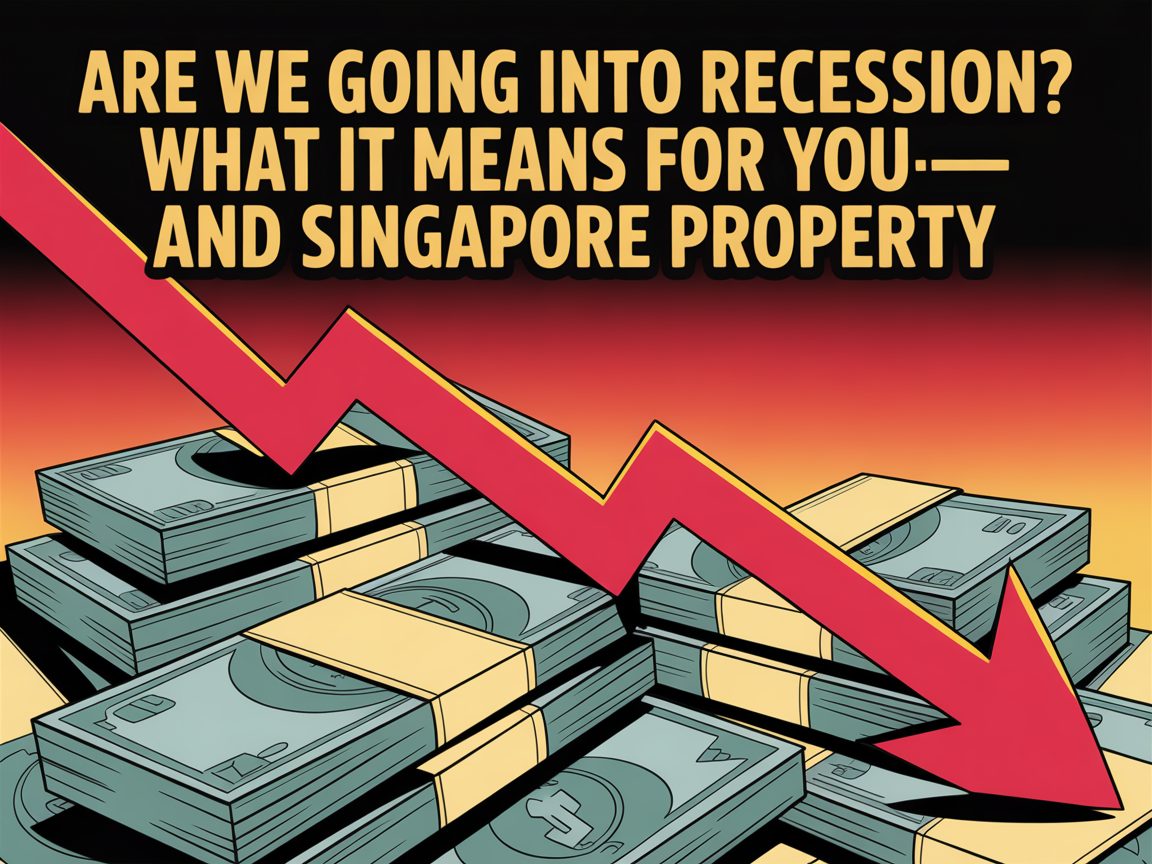
Singapore is teetering on the edge of a technical recession, with global headwinds—from US tariffs to weaker external demand—hitting our trade-reliant economy. The latest GDP reports show contraction, prompting warnings from the Ministry of Trade and Industry. While this doesn’t guarantee a prolonged recession, it sends a clear signal: economic challenges are here, and households are understandably anxious about jobs, investments, and home values.
Recession Basics: What Actually Happens?
A recession is a sustained period of negative growth, part of the normal economic cycle (expansion, peak, recession, trough). They are difficult but don’t last as long as expansion phases—economies, including Singapore’s, recover and grow stronger over time.
How Recessions Affect Property in Singapore
1. Slower Price Growth or Short-Term Dips
In recessions, property prices generally cool off or fall for a time. After the 2008 global financial crisis, private property prices fell about 20% before rebounding dramatically (+104% by 2012). Likewise, COVID prompted a quick dip, but a strong and consistent recovery followed, with prices climbing nearly 38% since 2020.
- Why? Government policies, land scarcity, and demand keep prices resilient here, so downturns are usually temporary.
- Takeaway: If you’re buying for the long term, a downturn has historically offered valuable entry points.
2. Fewer Transactions and Lower Supply
During uncertainty, both buyers and sellers tend to sit tight. Developers may hold back launches to avoid slow sales or unsold inventory penalties.
- Example: When the pandemic hit in Q2 2020, both developer and resale transactions nearly halved.
- What it means: The market can “pause” without a crash; lower activity is usually temporary.
3. Softer Rental Market
Uncertain times mean layoffs, especially among expats, reducing rental demand. Vacancies rise, and landlords may have to cut rents or offer incentives to attract tenants, especially in higher-end districts or commercial spaces.
4. Mortgage Stress Risk
Job losses or wage cuts increase the risk of missed mortgage payments, though Singapore’s strict lending rules (TDSR, MSR) help buffer most owners. Some risk of forced sales or foreclosure exists, primarily for the over-leveraged or recent peak buyers.
5. Interest Rates Fall
Fears of recession usually cause central banks to cut rates. In Singapore, the 3M SORA is anticipated to trend down into 2025—good news for buyers or anyone refinancing. Lower rates make property more affordable, encouraging a rebound when sentiment turns.
Signs of Recession: What Should You Watch?
Negative GDP Growth: The classic first warning sign.
- Rising Unemployment: Usually follows declining business and trade.
- Right now, unemployment is rising slightly but still within healthy norms.
- Dampened Consumer Spending: People tighten belts—retail and F&B take a hit, big purchases stall.
- Business Closures/Delays in Launches: Fewer new launches means less supply, but also lower risk of oversupply.
- Interest Rate Trends: Watch for falling fixed and floating mortgage rates as a hint that economic policy is turning more accommodative.
Should You Be Worried?
Short answer: Stay alert, not alarmed.
- Singapore has a strong record of weathering global downturns faster and more stably than many places—helped by prudent fiscal policy, government intervention, and a supportive property market framework.
- Property prices may soften in the short term, but in every recent crisis, prices have recovered (and then some) once the economy picks up again. In fact, downtrends can create rare opportunities to enter the market at lower prices—if you plan well and have strong holding power.
What Should Homeowners and Buyers Do?
If you already own:
- Avoid panic-selling. Unless you urgently need cash, riding out the storm usually pays off.
If you’re looking to buy:
- Don’t rush, but keep watch for good value amid lowered prices and interest rates. Be financially prudent—avoid overleveraging—but know that downturns often yield the best deals for long-term owners.
If you’re uncertain:
- This is the time to review your property plan or get professional advice. Are you prepared for volatility? Do you have holding power? If you’re new to strategising, consider frameworks like the Property Wealth System, designed to build a resilient portfolio.
Key Takeaways
Yes, recession risk is real—but it’s not a catastrophe for Singapore’s property sector, which remains much more resilient than equities or speculative markets.
- Prices may soften, sales may slow—but cycles always turn, and smart investors know that fear-driven dips can create unique opportunities.
- Focus on the long game: have a plan, buy smart, never over-leverage, and remember that recovery often begins while most are still fearful.
Summary Table: What Happens to the Property Market in a Recession?
|
Trend
|
What to Expect
|
|
Property prices
|
Likely flat or dip, but recover with the economy
|
|
Sales volume
|
Drops as buyers/sellers/developers await recovery
|
|
Renting
|
Softer rents, more vacancies, especially high-end
|
|
Interest rates
|
Usually fall, easing borrowing costs
|
|
Mortgage risk
|
Higher for over-leveraged or jobless owners
|
|
Bottom Line: A technical recession, if it comes, could be a blessing in disguise for disciplined buyers. For others, prepare, don’t panic, and always plan with a long-term view.
Should You Buy, Sell or Wait?
If you’re reading this, you must be trying to figure out the best course of action right now: is it the right time to buy or sell?
It’s difficult to give an exact answer since everyone’s situation is unique and what works for one person may not necessarily work for you.
I can bring you a wealth of on-the-ground experience and a data-driven approach to provide clarity and direction. From beginners to experienced investors, our top-down, objective approach will help you on your real estate journey.
I can help you by:
- Offering Strategic Real Estate Advice – I can help create a comprehensive plan to guide you through your property journey.
- Connecting Your Home with the Perfect Buyers – Through stunning visuals, an effective communication strategy, and an in-depth knowledge of the market, we’ll ensure your home is presented in the best possible way to fulfill your goals.


You May Also Like …
Jayson Ang – April 8, 2026 – Share
TLDR The Core Central Region (CCR) property market in Singapore is shifting from luxury trophy assets to practical, lifestyle-driven homes....
Read More
Jayson Ang – June 20, 2023 – Share
Sentosa's Sizzling Property Market: 5 Reasons Chinese Investors are Flocking to Singapore's Premier Island Here are the top 5 reasons...
Read More
Jayson Ang – December 27, 2022 – Share
TLDR A comprehensive overview of the real estate market trends, emphasizing the importance of strategic property analysis and investment decisions....
Read More
Jayson Ang – July 23, 2023 – Share
TLDR When selling your first home, avoid holding out for a better offer as it may backfire. Let your agent...
Read More
Jayson Ang – June 18, 2023 – Share
TLDR When navigating the complexities of purchasing a second property in Singapore, ensure you meet eligibility criteria, consider affordability factors...
Read More
Jayson Ang – March 29, 2024 – Share
Investing in property is a popular option in Singapore, with many investors seeing it as a lucrative way to build...
Read More
Jayson Ang – November 17, 2025 – Share
TLDR Foreigners who want landed living in Singapore but cannot buy traditional landed homes (except in Sentosa Cove) can consider...
Read More
Jayson Ang – May 14, 2023 – Share
Hello, everyone! We are excited to welcome you to our blog posts! On this blog, we will be sharing daily...
Read More
Jayson Ang – March 5, 2024 – Share
Singapore, a bustling city-state known for its stunning architecture and diverse culture, is also a paradise for luxury shopping enthusiasts....
Read More
Jayson Ang – March 1, 2025 – Share
Singapore, a small island nation in Southeast Asia, has been steadily gaining recognition as a hotspot for the ultra-wealthy to...
Read More
Jayson Ang – October 28, 2025 – Share
TLDR En bloc sales in Singapore involve selling entire buildings to developers for redevelopment, with most owners needing to agree....
Read More
Jayson Ang – March 16, 2024 – Share
Investing in property can be a great way to build wealth and secure your financial future. However, with Singapore's highly...
Read More
Jayson Ang – November 5, 2025 – Share
TLDR There’s no single “fair” price for HDB resale flats—what’s fair depends on your needs, motivation, and timing. To navigate...
Read More
Jayson Ang – December 24, 2022 – Share
TLDR In 2022, the real estate market saw significant interest rate hikes affecting home loan rates. Despite concerns, the market...
Read More
Jayson Ang – November 16, 2023 – Share
TLDR for "Dual-Key Condo: Analysing The Pros And Cons" When considering dual-key condo units, it's important to weigh the advantages...
Read More
Jayson Ang – January 21, 2023 – Share
TLDR The property market in Singapore has witnessed significant shifts in the past two years, with a surge in prices...
Read More
Jayson Ang – March 12, 2024 – Share
It's 五新房产, Finding your dream home can be a daunting task, but with the right resources, it can be a...
Read More
Jayson Ang – April 17, 2024 – Share
TLDR The article discusses the current housing market in Singapore, focusing on the challenges faced by individuals like Sherlyn Tan...
Read More
Jayson Ang – July 25, 2023 – Share
TLDR Renting property in Singapore as a foreigner can be challenging due to the high cost of living. To navigate...
Read More
Jayson Ang – January 18, 2025 – Share
Singapore, a vibrant city-state known for its diverse culture and rich history, offers an array of unique experiences for first-time...
Read More