



TLDR
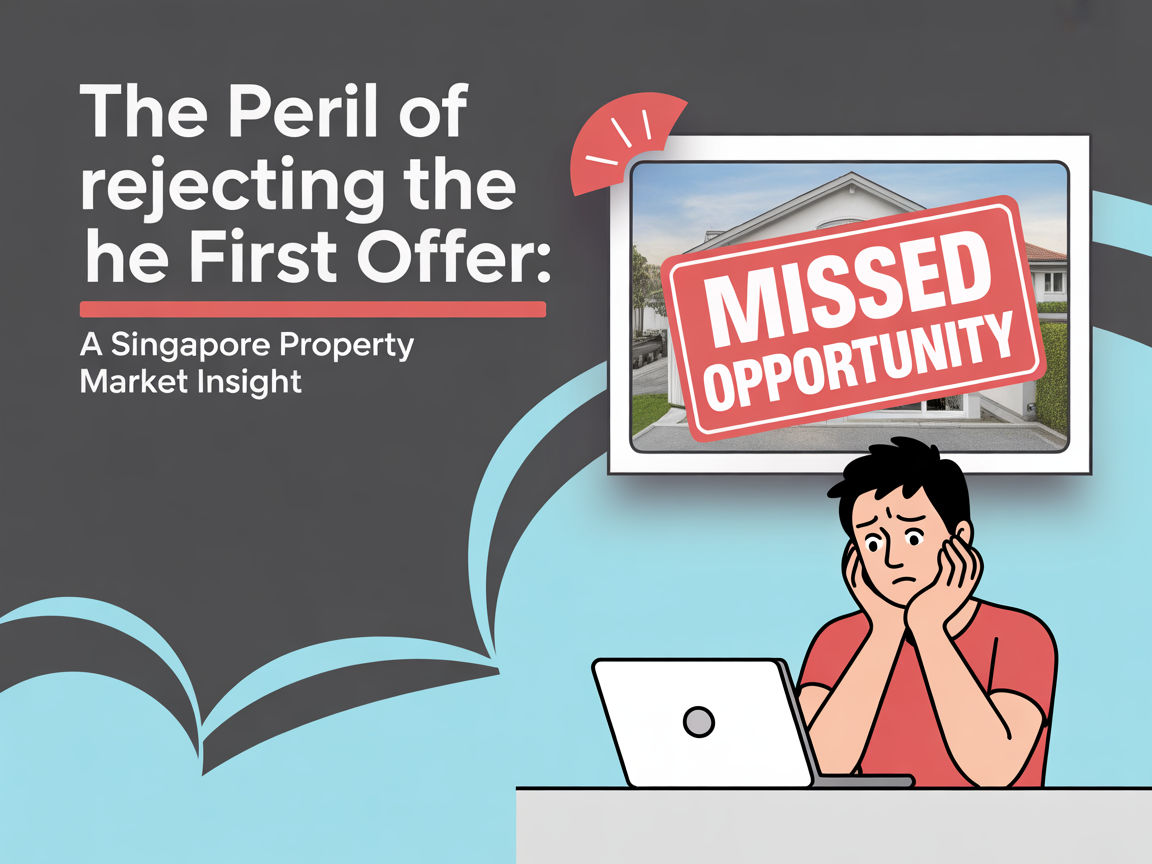
Rejecting a strong first offer in Singapore’s property market can be a costly mistake. Fresh listings attract the most attention in the first two to three weeks, often yielding the highest bids. Sellers who dismiss early offers—especially those above market value—risk anchoring their expectations unrealistically high. As time passes, listings become “stale,” leading to fewer and lower offers, while the initial high-bidding buyer moves on. This creates frustration, delays, and missed opportunities. Experienced agents emphasize the importance of setting a realistic target price before listing and acting decisively when that target is met. Recognizing when an opportunity has passed and accepting reasonable subsequent offers is crucial to avoid self-sabotage. Ultimately, discipline and clear expectations help sellers secure optimal outcomes without gambling on uncertain future bids.
When a property agent receives an exceptionally high first offer for a listing, it should logically be cause for celebration. However, human psychology can complicate matters significantly. An agent might spend more time strategizing how to manage a seller’s expectations around a high early offer than on a later one, a phenomenon related to price anchoring.
To understand this dynamic, consider the typical “lifespan” of a property listing. When a property is first introduced to the market—dubbed “fresh”—it often garners immediate attention. Buyers who have been actively monitoring the area or project are quick to notice and assess the new entry. This initial surge of inquiries and offers usually peaks within two to three weeks, after which activity tends to subside. Listings that remain on the market for several months are considered “stale,” leading to fewer and often lower offers, as buyers assume there might be underlying issues with the property. This implies that, quite often, the initial offers are indeed the most favorable.
The challenge arises when sellers, particularly those who receive an offer very early in the listing period (e.g., within two days), perceive it as “too soon” and decide to hold out for potentially even higher bids. This is where the danger of a high first offer manifests.
Imagine a property genuinely valued at $1.8 million. An offer of $2.2 million comes in just days after the listing goes live. The seller, naturally, rejects this, anticipating similar or better offers. However, subsequent offers are more realistic, ranging from $1.75 million to $1.9 million. By this time, the initial high-bidding buyer has moved on to another property.
The critical issue then becomes the seller’s inability to adjust their expectations due to price anchoring. Having been offered $2.2 million once, they become fixated on that figure, believing another buyer will eventually match it. Despite their agent’s counsel, they insist on waiting, unaware that the longer the property remains on the market, the more “stale” it becomes, and the more unrealistic the $2.2 million expectation appears. This often leads to frustration, the agent potentially being replaced, and the seller facing prolonged delays in their plans to upgrade or right-size. It creates a lose-lose situation for all parties involved.
Therefore, an experienced property agent, upon receiving a high initial offer, would have already engaged in preparatory work to manage the seller’s expectations. They understand the urgency of closing such a deal, recognizing that the opportunity might not present itself again. It essentially becomes a test of the agent’s persuasive ability against the seller’s inclination to gamble for a better outcome.
Key Lessons for Sellers to Avoid Self-Sabotage:
- Define Your Target and Act Decisively: Do not let the excitement of a high initial offer cloud your judgment. Establish a clear, realistic target price for your property beforehand. Once that target is met, accept the offer. Resist the temptation to hold out for an even higher price; doing so can introduce unnecessary risk.
- Recognize a Missed Opportunity: If you’ve rejected a strong initial offer and subsequent bids are progressively lower, it’s crucial to acknowledge that the optimal opportunity might have passed. Accept the next most reasonable offer before the listing becomes too stale, and offers cease altogether.
Should You Buy, Sell or Wait?
If you’re reading this, you must be trying to figure out the best course of action right now: is it the right time to buy or sell?
It’s difficult to give an exact answer since everyone’s situation is unique and what works for one person may not necessarily work for you.
I can bring you a wealth of on-the-ground experience and a data-driven approach to provide clarity and direction. From beginners to experienced investors, our top-down, objective approach will help you on your real estate journey.
I can help you by:
- Offering Strategic Real Estate Advice – I can help create a comprehensive plan to guide you through your property journey.
- Connecting Your Home with the Perfect Buyers – Through stunning visuals, an effective communication strategy, and an in-depth knowledge of the market, we’ll ensure your home is presented in the best possible way to fulfill your goals.
You May Also Like …