



Top 5 Best Urban Hiking Trails in Singapore
Singapore, known as the Garden City, is a bustling metropolis that offers a multitude of parks and nature reserves for...
Read More


TLDR
The blog post delves into the complexities of market timing in property investment, highlighting the risks and challenges associated with trying to predict market highs and lows. It emphasizes the importance of adopting a long-term perspective for sustainable success in real estate investment. Strategies focusing on long-term growth, diversification, due diligence, and resilience are recommended over short-term speculative gains. Professional advice, continuous learning, and adaptability are key components in building a robust investment portfolio. The post also underlines the psychological impact of market timing and the benefits of seeking expert guidance in navigating the real estate market effectively.
The journey into property investment is often paved with ambitions and dreams. Many enter the arena with visions of wealth accumulation and financial freedom. A common strategy that tempts many is the idea of timing the market — buying low and selling high to maximize returns. However, this approach carries with it a multitude of risks and misconceptions that can derail even the most seasoned investors.
The allure of market timing in property investment lies in its seemingly straightforward logic. However, the reality is far more complex. Real estate markets are influenced by a myriad of factors including economic indicators, interest rates, demographic trends, and even global events, making timing extremely difficult to predict accurately.
This blog post aims to unravel the complexities surrounding market timing in property investment. By examining the inherent risks, exploring real-life examples, and highlighting alternative strategies that emphasize long-term growth, we hope to guide investors towards more sustainable practices. Let’s explore why trying to time the market can do more harm than good and uncover strategies that foster lasting success in property investment.
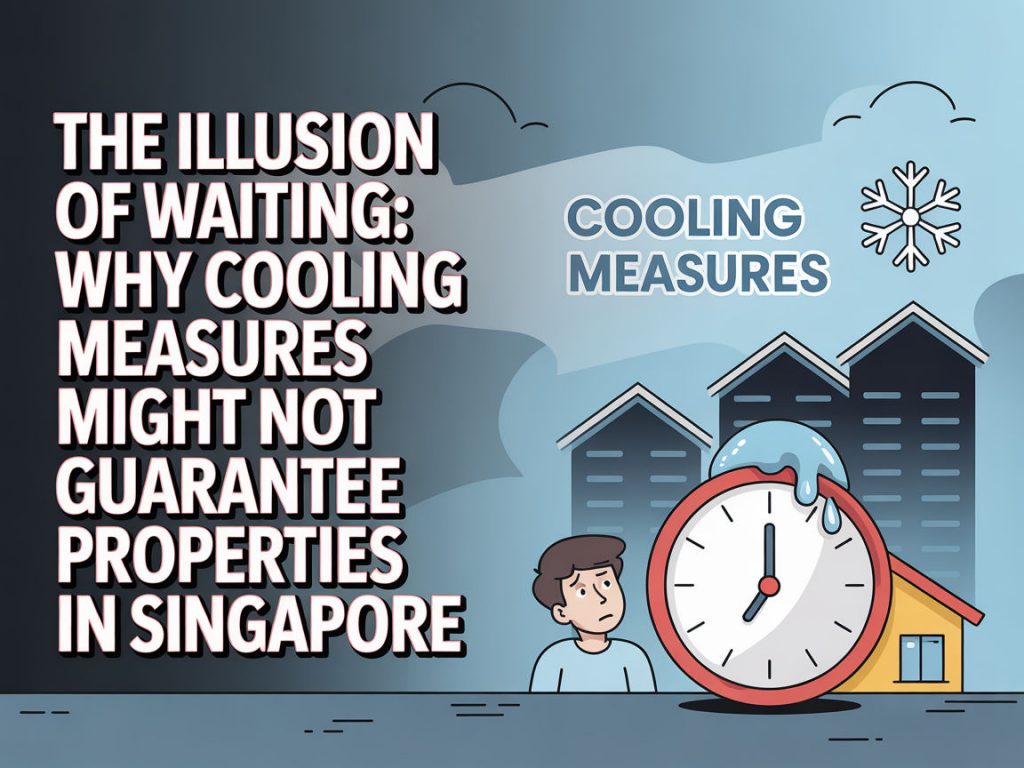
The concept of market timing is simple in theory: buy properties when prices are low and sell them when prices have peaked. This strategy is attractive because it promises high returns in short periods. However, the reality is much more complex. Attempting to time the market is akin to predicting the future, a feat not easily achieved even by seasoned professionals. Common misconceptions include the overestimation of one’s ability to forecast economic conditions and underestimating the impact of unforeseen global events.on market dynamics. For instance, the 2008 financial crisis and the more recent COVID-19 pandemic are stark examples of how unpredictable events can drastically influence the real estate market. Investors who tried to time their purchases or sales around these periods faced significant challenges, and many found their investments underperforming or, worse, incurring substantial losses.
Moreover, the effort to predict market highs and lows can lead to paralysis by analysis. Investors may find themselves waiting for the perfect moment to invest, which may never come, or exiting the market too early in anticipation of a downturn that does not materialize as expected. This hesitation can cause missed opportunities, as the market continues to evolve independently of predictions.
One of the critical risks associated with market timing is the potential for significant financial loss. Real estate investments require substantial capital, and incorrect timing decisions can lead to buying at a peak or selling at a trough, resulting in losses that can be difficult to recuperate. Additionally, the costs associated with buying and selling property—including taxes, fees, and commissions—further diminish returns, especially when transactions are made frequently in an attempt to capitalize on market fluctuations.
Another risk involves the emotional toll that attempting to time the market can take on investors.
Real estate markets move in cycles, including periods of rapid growth, stagnation, decline, and recovery. While these cycles are a normal part of market dynamics, accurately predicting their timing and impact is exceedingly difficult. Many factors influence these cycles, from local economic conditions to international financial crises, making it nearly impossible to consistently make accurate predictions. This section would explain the characteristics of these cycles and why timing them is so challenging.Understanding market cycles in the context of real estate investment requires a nuanced awareness of various influencing factors. These cycles are characterized by distinct phases: expansion, where prices rise due to increased demand; plateau, where the market stabilizes and growth slows; contraction, where demand decreases leading to falling prices; and recovery, where the market begins to rebound. Each phase is influenced by a complex interplay of economic indicators, interest rates, employment levels, political stability, and even sociocultural trends.
The challenge in timing these cycles arises from their inherent unpredictability. For instance, while historical data may suggest a pattern or frequency to these cycles, each cycle is also a product of its unique contemporary conditions. Economic policies, technological advancements, or significant global events can dramatically alter the expected course of a cycle. During the expansion phase, it’s tempting to invest in anticipation of continued growth, but without considering the potential for sudden shifts in market sentiment caused by external shocks, investors risk exposure to the subsequent contraction phase at a loss.
Additionally, the localized nature of real estate markets adds another layer of complexity. National or global economic trends can affect real estate markets differently across regions.
This part of the blog post would showcase stories from investors who have attempted to time the market, only to face unexpected outcomes. For instance, an investor might buy during what appears to be a low point, only for prices to fall further due to an unforeseen economic downturn. These real-life examples serve as powerful lessons on the unpredictability of market timing and the risks involved.
Attempting to time the market can take a toll on investors’ mental health and decision-making abilities. The constant stress of trying to predict market movements can lead to emotional decision-making, clouding judgment, and leading to poor investment choices. This section would explore how cognitive biases and emotional reactions can sabotage investment strategies and why a more measured, long-term approach is beneficial.for achieving sustainable success in real estate investment.
Understanding the psychological impact of attempting to time the market is crucial for investors. Cognitive biases such as overconfidence can lead investors to believe they can accurately predict market turns, often resulting in decisions that don’t align with the unpredictable nature of real estate cycles. Confirmation bias may also play a role, where investors seek out information that supports their beliefs about market timing while ignoring contradictory evidence. These psychological factors can compound the difficulty of making rational, informed investment decisions.
Emotional reactions to market fluctuations can exacerbate the challenge. The fear of missing out (FOMO) during rising markets can prompt investors to make hasty purchases at inflated prices. Conversely, panic selling during downturns can lead to significant losses, as investors sell off assets in a declining market in an attempt to cut their losses. Both scenarios highlight the peril of emotional decision-making and underscore the importance of maintaining a disciplined approach to investment.
Adopting a long-term perspective is often advocated as a more effective strategy for navigating the complexities of real estate investment. Rather than trying to time the market, focusing on fundamental analysis and long-term trends can provide a more reliable basis for decision-making.
Instead of trying to time the market for quick gains, focusing on long-term growth has proven to be a more reliable strategy. This part would introduce successful investment strategies that prioritize steady growth, such as investing in properties with strong fundamentals or in areas with long-term growth potential. It would also highlight the importance of patience and resilience in building a profitable real estate portfolio., underscoring the significance of resilience and patience in investment decisions. Diligent research into property fundamentals—such as location quality, building conditions, and market demand trends—is crucial. These elements are less susceptible to short-term market volatility and can offer more stable returns over time. Additionally, investing in regions with projected long-term growth due to factors like demographic shifts, infrastructural developments, or economic expansion can also be a prudent approach.
Such strategies require a thorough understanding of market dynamics and a commitment to staying informed about changes in the economic landscape that could affect the real estate sector. It involves a holistic view of investment, considering not only the potential for capital appreciation but also the income stability provided by rental yields. This dual focus helps in building a diversified and resilient portfolio capable of withstanding market downturns.
Moreover, leveraging professional advice from real estate experts and financial advisors can enhance decision-making. These professionals can provide insights into market trends, help in identifying undervalued properties, and offer strategic planning support tailored to individual investment goals. Their expertise can be particularly valuable in navigating complex transactions and in structuring deals to optimize tax efficiencies and financial returns.
Incorporating technology tools, such as property management software and market analysis platforms, can also improve investment outcomes.
Diversification is key to building a resilient investment portfolio that can withstand market fluctuations. This section would discuss how investors can spread their investment across different types of properties, locations, and even real estate sectors to mitigate risks. It would also cover the importance of due diligence in selecting investments that align with long-term goals rather than speculative short-term gains.. To this end, integrating environmental, social, and governance (ESG) criteria into investment decisions represents an emerging trend that aligns with both ethical considerations and long-term value creation. The increased focus on sustainability and responsibility is not only about mitigating risks but also about identifying opportunities in areas poised for growth as global priorities shift towards greener and more inclusive practices.
Furthermore, adopting a mindset of continuous learning and adaptability can be crucial. The real estate market is influenced by numerous external factors, including legislative changes, technological advancements, and socio-economic shifts. Staying abreast of these developments can enable investors to anticipate market trends and position their portfolios accordingly. This approach emphasizes the importance of education and networking within the investment community to exchange ideas, strategies, and insights.
In addition to traditional real estate investments, exploring alternative asset classes such as real estate investment trusts (REITs) or crowdfunding platforms can offer exposure to different segments of the market with potentially lower entry costs and increased liquidity. These options can complement direct property investments, providing balance and diversification within a real estate portfolio.
Risk management is another critical aspect of building a resilient investment portfolio.
For many investors, navigating the complexities of the real estate market can be daunting. Seeking advice from professionals can provide valuable insights and guidance, helping investors avoid the pitfalls of market timing. This section would discuss when and why it’s beneficial to consult with real estate experts and how their expertise can lead to more informed investment decisions.
In conclusion, while the idea of timing the market is attractive, it’s fraught with risks and complexities. This blog post aims to steer investors towards a more sustainable approach to property investment, emphasizing long-term growth over speculative gains. By understanding market cycles, learning from others’ mistakes, and adopting a diversified investment strategy, investors can build a more stable and profitable real estate portfolio.
If you’re reading this, you must be trying to figure out the best course of action right now: is it the right time to buy or sell?
It’s difficult to give an exact answer since everyone’s situation is unique and what works for one person may not necessarily work for you.
I can bring you a wealth of on-the-ground experience and a data-driven approach to provide clarity and direction. From beginners to experienced investors, our top-down, objective approach will help you on your real estate journey.
I can help you by:


You May Also Like …






















A password will be e-mailed to you