TLDR
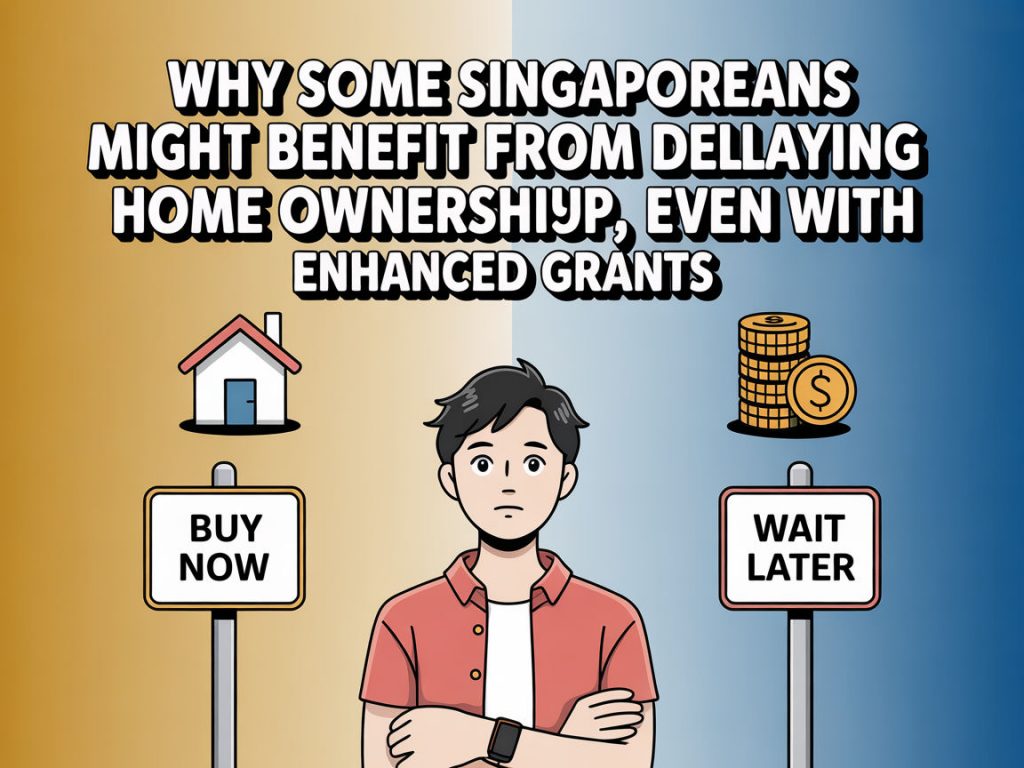
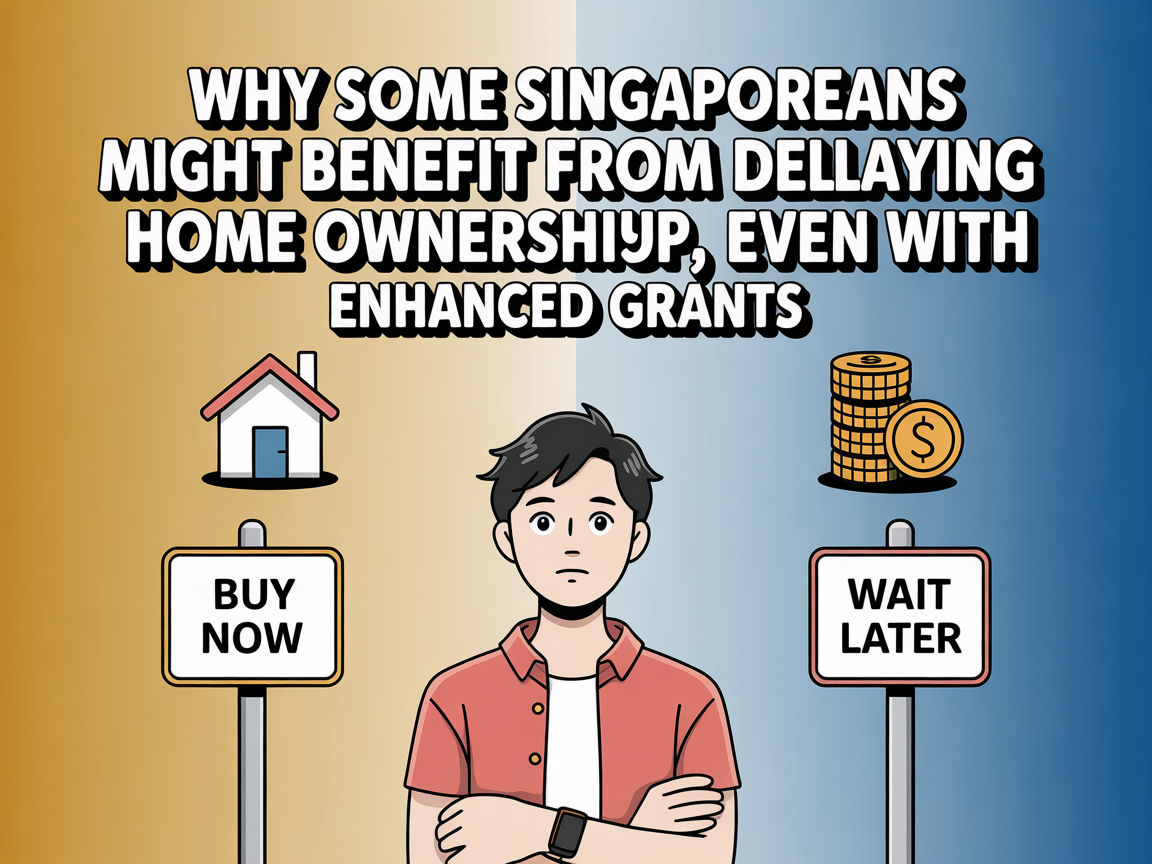
The Fresh Start Housing Scheme in Singapore now offers up to $75,000 in grants for eligible families buying shorter-lease, smaller HDB flats, including first-timers moving from rental flats. While these grants improve accessibility, financial challenges beyond the flat’s price—like renovation costs and monthly expenses—remain significant, especially for low-income families. For those earning $2,000 or less monthly, homeownership can strain finances and overshadow immediate needs such as food and medical care. Thus, it may be wiser for financially vulnerable individuals to stay in rental flats longer and build savings before buying. Social pressure to own a home can lead some to overstretch financially. Enhanced support, like temporary rebates or tiered loan interest rates based on income, could better ease this burden. Overall, the key message is: just because one can buy a home now doesn’t mean it’s always the right time, and careful financial planning and counseling are crucial before committing.
The adage “just because you can, doesn’t mean you should” perfectly encapsulates a nuanced perspective on homeownership in Singapore. It emphasizes patience and strategic timing, especially in light of recent policy changes. The enhanced Fresh Start Housing Scheme, which now offers up to $75,000 in grants for eligible families to purchase 2-room or 3-room shorter-lease flats (up from $50,000) and extends to first-timers transitioning from public rental flats, is a commendable initiative. However, while such measures are vital, they must be complemented by comprehensive support and counseling. Acquiring property, even an HDB flat, leaves little room for financial missteps.
The financial commitment of homeownership extends beyond just the flat’s purchase price and grants. It encompasses significant renovation and furnishing costs, and, crucially, its impact on monthly cash flow. Families transitioning from rental flats often face immense financial challenges that many average Singaporeans may not fully grasp.
For individuals earning $2,000 a month or less, especially those supporting dependents or managing ongoing medical expenses, the strain of homeownership can be profound. Even with grants reaching $75,000 and the possibility of flats costing as little as $100,000 (for some shorter-lease, smaller units), if one’s financial situation is precarious, immediate needs like food and medical bills will always take precedence.
In such circumstances, the concept of homeownership, while providing long-term security, becomes less relevant in the face of daily financial struggles. Telling someone struggling to afford their next meal that they are “only $50,000 away from a fully paid-up flat” offers little practical comfort.
Therefore, for individuals in a financially tight position, it might be more prudent to remain in a rental flat longer and focus on accumulating greater savings, even if enhanced grants or first-timer eligibility now make homeownership “possible.”
This echoes a sentiment from 2012, when there was controversy over claims that an HDB flat was affordable even on an income of $1,000 a month. While numerically true at the time, the practical advice was, “just because you can, doesn’t mean you should.” It was considered a terrible idea for someone with such limited income to commit to a flat when more manageable rental options existed. The same reasoning applies to the Fresh Start Housing Scheme today.
Singapore’s strong cultural inclination towards homeownership can also exert significant social pressure, leading some to purchase homes purely to conform, even if it means meticulously budgeting every cent for daily expenses.
While increased support for homeownership is highly positive, it would be beneficial if this were coupled with better assistance for the subsequent expenses, perhaps through temporary increases in vouchers or rebates for the first two to three years of ownership. It would be particularly heartbreaking for families to finally secure a home after years in a rental flat, only to lose it due to an unsustainable financial burden from moving too quickly.
(A related point, not directly financial advice, but a personal observation: HDB loan interest rates, currently fixed at 2.6%, could be more effectively tiered based on income. Lower-income households would significantly benefit from interest rates below the prevailing CPF interest rate, further easing their financial burden.)
Should You Buy, Sell or Wait?
If you’re reading this, you must be trying to figure out the best course of action right now: is it the right time to buy or sell?
It’s difficult to give an exact answer since everyone’s situation is unique and what works for one person may not necessarily work for you.
I can bring you a wealth of on-the-ground experience and a data-driven approach to provide clarity and direction. From beginners to experienced investors, our top-down, objective approach will help you on your real estate journey.
I can help you by:
- Offering Strategic Real Estate Advice – I can help create a comprehensive plan to guide you through your property journey.
- Connecting Your Home with the Perfect Buyers – Through stunning visuals, an effective communication strategy, and an in-depth knowledge of the market, we’ll ensure your home is presented in the best possible way to fulfill your goals.


You May Also Like …
Jayson Ang – July 1, 2026 – Share
TLDR Condominium living in Singapore can sometimes feel authoritarian due to the management committee's control, especially when a few owners...
Read More
Jayson Ang – December 7, 2022 – Share
TLDR Understanding the key factors involved in buying property in Singapore is crucial for making informed decisions. Consider your investment...
Read More
Jayson Ang – March 21, 2024 – Share
TLDR The Singapore property market is experiencing a decline in condo purchases by HDB flat owners due to multiple property...
Read More
Jayson Ang – September 30, 2024 – Share
TLDR The Singapore property market has experienced fluctuations, impacting private home prices. Understanding your financial capacity is crucial when considering...
Read More
Jayson Ang – February 28, 2025 – Share
TLDR The ABSD discount arises when developers approach their five-year deadline to sell 90% of units, facing a 40% penalty...
Read More
Jayson Ang – March 21, 2025 – Share
The property market in Singapore is a thriving and lucrative industry, attracting both local and foreign investors. However, with the...
Read More
Jayson Ang – August 1, 2023 – Share
TLDR Investing in Singapore real estate offers attractive tax incentives, low cost of living, high rental yields, market reliability, diversification...
Read More
Jayson Ang – December 25, 2022 – Share
TLDR Singapore offers lucrative property investment opportunities with its stable economy and political climate. To succeed, investors should conduct thorough...
Read More
Jayson Ang – October 31, 2024 – Share
TLDR In Singapore, hiring a friend or family member as your property agent can be risky. Disclosing sensitive financial details...
Read More
Jayson Ang – March 10, 2023 – Share
TLDR Understanding the factors influencing property prices in Singapore for 2024 can help in making informed decisions. Despite high rental...
Read More
Jayson Ang – May 4, 2024 – Share
TLDR When deciding on buying or selling property in Bayshore, consider the recent developments and potential future growth. With a...
Read More
Jayson Ang – May 23, 2023 – Share
Here are the top 5 reasons why Chinese love to invest in Singapore's property market today. 1. Political stability: Singapore...
Read More
Jayson Ang – July 20, 2024 – Share
TLDR The article covers the shift to SORA for home loan rates, urging consideration of refinancing options amidst rising rates....
Read More
Jayson Ang – September 10, 2024 – Share
Inflation is an economic phenomenon that can have a significant impact on an individual's financial well-being. As the cost of...
Read More
Jayson Ang – February 9, 2025 – Share
Singapore's property market has always been a topic of interest for both local and international investors. The city-state's real estate...
Read More
Jayson Ang – March 6, 2024 – Share
Luxury properties in Districts 9 and 10 of Singapore are highly coveted, and for good reason. From stunning views and...
Read More
Jayson Ang – May 30, 2024 – Share
The Singapore government has implemented several cooling measures over the years to regulate the property market and prevent it from...
Read More
Jayson Ang – October 3, 2024 – Share
TLDR Over the past two decades in Singapore, the trend of HDB residents upgrading to landed properties has fluctuated. While...
Read More
Jayson Ang – February 19, 2023 – Share
TLDR Downsizing your home for retirement can bring financial security, closer family ties, and new adventures. Consider the benefits of...
Read More
Jayson Ang – November 17, 2025 – Share
TLDR Foreigners who want landed living in Singapore but cannot buy traditional landed homes (except in Sentosa Cove) can consider...
Read More