

5 Reasons Why Your House Isn’t Selling – and How to Overcome Them!
TLDR When trying to sell your home, ensure it is competitively priced based on its unique features and the current...
Read More

TLDR
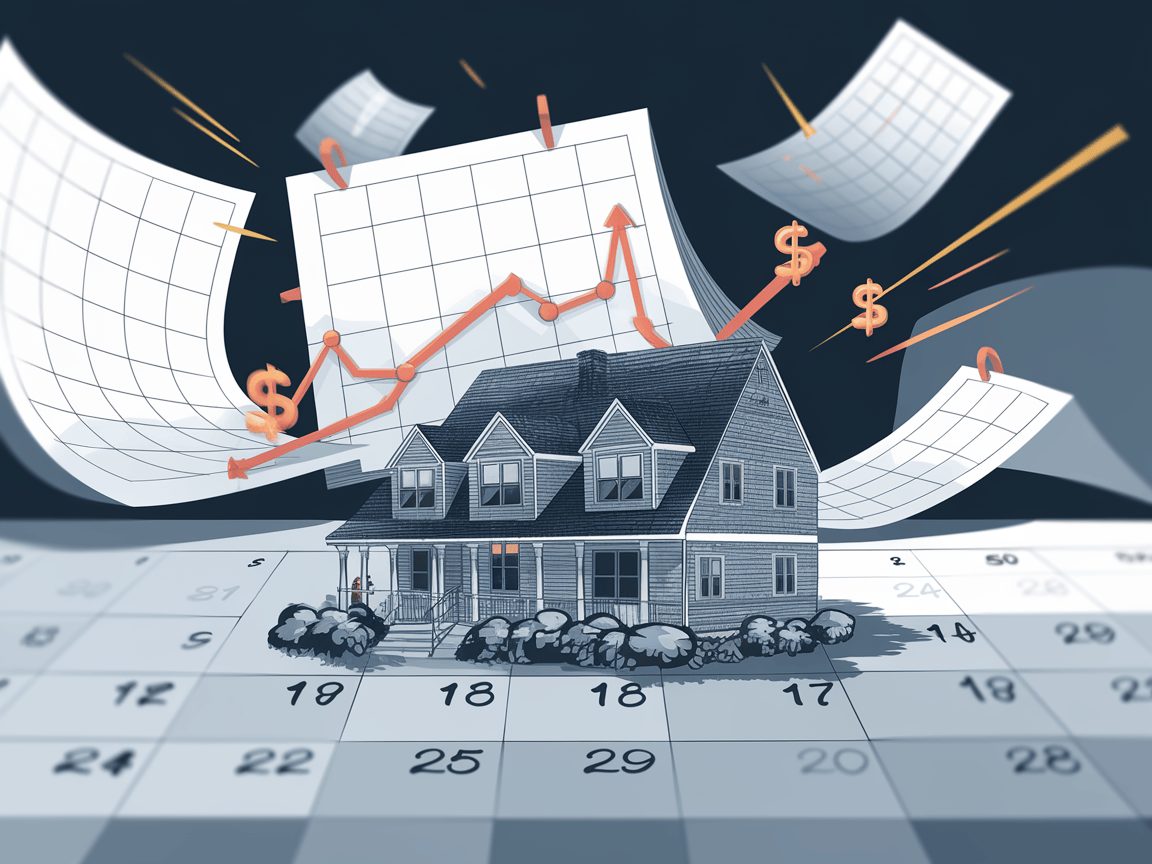
In Singapore, holding a residential property longer typically yields higher profits—averaging $665,000 after 20 years, versus $200,000 for 5–10 years. Most owners sell within 10 years, but freehold and landed homes are kept longer and tend to be more profitable. However, holding an unprofitable property too long can increase losses. Executive condos often deliver strong short-term gains due to government subsidies. The best holding period depends on your goals and risk appetite, balancing profit potential with costs and risks.
Many people believe that keeping a residential property for too long may not be a good financial decision. Once a property reaches around 20 years old, its value might start to drop, possibly leading to losses.
This raises the question of whether there is an ideal time to hold onto residential property investments. Are older properties likely to lose value over time, making owners think about selling them quickly?
To explore these questions, we can examine historical sales data to see how long owning a property affects financial returns. For example, do homeowners or investors make more profit by selling before or after 10 years?
In this study, we looked at the buying and selling dates of private residential units to see how long they were owned and to calculate the gross gains and losses by comparing new sales data with resale data from the Urban Redevelopment Authority.
The data includes nearly 90,000 matched properties over 30 years from 1995 to June 2024, covering purchases during both financial lows and property highs. Housing Board flats and new homes that were never resold were not included due to insufficient information.
The analysis indicates that many owners sold their properties within the first 10 years. Specifically, 50.8 per cent were resold between five and 10 years after purchase, often new homes sold shortly after receiving the temporary occupation permit (TOP). Another 15.5 per cent were resold within five years, typically before or just after TOP. About a third of owners kept their properties longer before selling: 23.5 per cent were sold after around 10 to less than 15 years, while 6.4 per cent were sold between 15 and less than 20 years. A small group, 3.8 per cent, were resold after 20 years.
Some owners are likely unconcerned about their lease ending and are not eager to sell. Others may keep their properties for better profits, as freehold properties are typically more expensive and rarer.
For example, 35.7% of freehold condo owners kept their properties for at least 10 years before selling, compared to 32.6% of leasehold condo owners. Owners of landed properties tend to hold them for longer. About 43% resold after 10 years, and 7.5% held on for at least 20 years.
Selling a property quickly doesn’t always mean you will make a lot of money.
Data shows that property owners who keep their investments for longer tend to earn more, especially with consistent price increases, like in Singapore over the past few decades.
Strong rental growth has also boosted property values, particularly for residential properties. Many older properties were purchased at lower prices, leading to higher profits.
Higher profits have been seen across all types of properties, whether leasehold or freehold.
On average, those who held their properties for 20 years or more made about $665,000 in gross profit. Owners who kept their properties for 15 to 20 years earned around $600,000, while those who held for 10 to 15 years saw profits drop to about $320,000.
In contrast, owners who sold their properties within five to ten years made the least, averaging around $200,000.
Some people may be concerned that leasehold condos are less profitable than freehold condos. If the investment is short-term, research shows there is little profit difference. However, for long-term ownership, the profit potential varies greatly.
For instance, the average gross profit of a freehold condo is 17 per cent, or about $27,000 more than a leasehold condo if sold within five years. But after 20 years, the average profit margin increases to 33 per cent, or nearly $200,000. Thus, leasehold condos in Singapore can be profitable and appreciate over time despite their limited leases, while freehold condos generally offer better long-term profitability.
Intriguingly, a high proportion of executive condo (EC) owners opted to sell their properties relatively quickly. Close to 70 per cent of the EC-matched caveats were resold between five years and 10 years, while slightly less than 10 per cent were retained for at least 15 years.
The rapid turnover of ECs is remarkable but not entirely unexpected. This is because an EC sold within five years of its TOP yielded an average gross profit of about $300,000, which significantly surpassed that of all other property types – such as landed properties (£213,000), leasehold condos (£159,000), and freehold condos (£186,000) – sold within the same timeframe.
The high profits enjoyed by EC owners may be attributed to the significantly lower purchase prices compared with those of private condos, given the substantial subsidies from the government.
Keeping a property for too long can be risky, as losses often grow over time for unprofitable deals, despite these making up only 17.2% of total transactions.
The average gross loss for properties held for five to less than ten years was about $210,000. For those held between ten and fifteen years, the average gross loss rose to around $250,000, and for properties held for fifteen to twenty years, it increased to an estimated $684,000.
Owners need to evaluate the chances of facing losses and decide if the risk of losses outweighs the potential profits when considering whether to keep the units.
Buyers should carefully consider their needs and risk tolerance when deciding how long to keep a property. While holding a property can increase profitability, it can also lead to losses. They must balance potential gains with the costs of maintaining an older property. Investors often use different strategies.
Some prefer to sell properties early for small profits and reinvest the money, rather than waiting for long-term appreciation. Over 20 years, they might complete several property transactions for incremental gains. However, this can involve the hassle of moving and extra costs, like renovations and stamp duties, which can reduce profits.
Other homeowners may choose to keep their homes for sentimental reasons or if they need larger spaces.
A more strategic approach could involve timing the market well, choosing a property with good features, being cautious, and buying within one’s budget. This strategy can improve the chances of making a profit and shortening the investment period, regardless of market conditions.
If you’re reading this, you must be trying to figure out the best course of action right now: is it the right time to buy or sell?
It’s difficult to give an exact answer since everyone’s situation is unique and what works for one person may not necessarily work for you.
I can bring you a wealth of on-the-ground experience and a data-driven approach to provide clarity and direction. From beginners to experienced investors, our top-down, objective approach will help you on your real estate journey.
I can help you by:


You May Also Like …