



Should You Splash Your Cash on a Condo Despite the Sky-High PSF?
TLDR The blog post discusses various aspects of investing in condos in Singapore, covering topics such as leasehold versus freehold...
Read More

TLDR
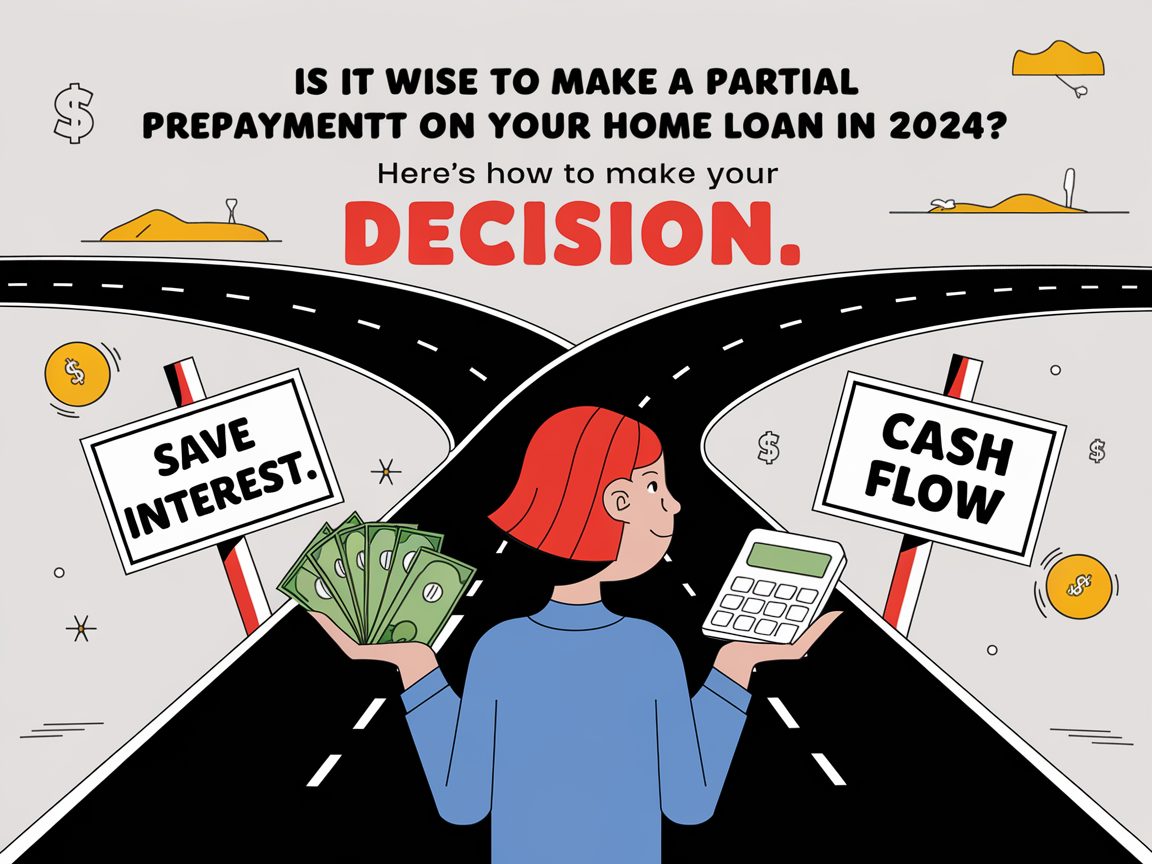
Partial prepayment of your home loan means paying off a chunk of your mortgage early to lower future monthly repayments, especially as interest rates have risen since 2022. This strategy isn’t for everyone—it depends on factors like lock-in penalties, CPF usage, remaining loan tenure, and your financial goals. While prepaying can help reduce debt faster and manage higher monthly payments, you should be aware of potential fees, lost investment opportunities, and the impact on mortgage insurance. It’s also important to keep enough cash for emergencies. Consider your personal situation—such as upcoming income changes or nearing retirement—before deciding. Always weigh the pros and cons or consult a financial advisor before making large prepayments.
In the past few years, home loan interest rates have increased, and many homeowners have been alerted about refinancing options. The period of low interest rates from 2008 to 2020 may be over. This has led some people to make partial payments on their home loans to manage monthly costs. However, this financial choice is suitable for some but not for everyone. Here’s how to choose based on your finances:
When paying off your home loan, you don’t have to do it monthly or all at once. You can pay off part of your loan to reduce future repayments. For example:
If you have a loan of $1 million at 3.5% for 20 years, you’d pay about $5,800 monthly. But if you pay back $300,000 now, your remaining loan would be $700,000, and your monthly payments would drop to around $4,060.
(Note: This is a simplified example and may vary with different banks.)
You can use CPF money for partial prepayments on home loans, but this isn’t always recommended.
Partial repayments have become more popular since the end of Covid when home loan interest rates began to rise. Many borrowers are concerned that future repayments might become too high, so they’re making lump sum prepayments now to reduce future costs.
Another reason for the increase in prepayments may be age-related. Mortgage brokers say you typically can’t refinance your home loan when the remaining debt is $100,000 or less. This means that older Singaporeans nearing the end of their repayments can’t switch to a cheaper loan package. To tackle rising interest rates or to pay off their mortgage before retirement, these borrowers often choose to make partial prepayments. This trend is expected to grow as Singapore’s population ages.
It seems like a good idea, given the rising interest rates; but there are cases where mortgage brokers or financial planners have advised against it. There are certain nuances that make partial prepayment better for some borrowers, but not so ideal for others:
Mortgage brokers recommend waiting until the end of your lock-in period before making prepayments on bank loans. The lock-in period varies, and if you prepay early, you may face a fee of 1.5% of the amount. For instance, prepaying $300,000 could incur a $4,500 fee.
Different banks calculate penalties differently, and some may add extra charges.
Some loan packages allow a waiver for prepayment fees on specific amounts, like up to $100,000, so it’s wise to stay within that limit.
HDB Concessionary Loans do not charge any prepayment penalties.
Using CPF to pay off your mortgage means giving up a guaranteed interest rate of 2.5% on your Ordinary Account (OA). This is beneficial now since home loan rates are higher than CPF rates, but from 2008 to 2020, home loan rates were often around 2% or lower for a long time.
Consider how long you have left on your loan. If you’ve just started and have 15 to 20 years remaining, interest rates may change. Current high mortgage rates might not last, and if you prepay now but later see lower bank rates, you’ll miss out.
On the other hand, if you’re close to paying off your loan, you might want to finish it quickly since there are only a few high-interest years left.
Also, remember that you’ll need to repay the CPF money used, along with interest, when you sell your property. This includes any CPF used for prepayment, so keep this in mind if you plan to buy another property.
Mortgage insurance pays off your mortgage if you die or, in some cases, if you become permanently disabled. For HDB flats, this is included in the mandatory Home Protection Scheme (HPS), which you already pay for.
Prepaying your home loan might not be as beneficial for your mortgage insurance, as your premiums may stay the same while the coverage amount decreases. It’s best to check with your insurer for details on how this affects you.
We’re not financial advisors, so we won’t elaborate much. Just know that there’s an opportunity cost; money used for prepayment can’t be invested elsewhere.
One could argue that rising home loan rates (around three to 3.75 per cent in 2024) may be lower than returns from other investments. There could be stocks, unit trusts, or other options that provide better returns than home loan interest rates, making it more beneficial to invest any extra money rather than just paying off the loan.
This is a personal finance issue, so you might want to discuss it with your wealth manager or someone you trust.
For those moving from employed to self-employed work, selling cash-generating assets, or starting businesses, partial prepayment can be a helpful safety measure.
If you’re selling a flat or one-bedroom property you usually rent out, you’ll need to consider the loss of future rental income. In this situation, it may be wise to use part of the sale proceeds to partially pay off an existing loan, which can lower your monthly repayments.
Similarly, if you’re transitioning to self-employment, be aware of potential refinancing challenges. When your income is evaluated for the Total Debt Servicing Ratio (TDSR), self-employed income is viewed as 30 per cent lower. This could mean you qualify for a home loan now, but may face issues refinancing later due to a decrease in reported income.
Another concern is if one partner becomes a homemaker, leading to a single income for the family. In this case, it’s important to determine an affordable monthly repayment and aim to reduce debt accordingly. A good guideline is to keep monthly repayments to no more than 30 per cent of your monthly income. Partial prepayments can help achieve this.
Owing money can be uncomfortable, especially with rising interest rates. Avoid committing large amounts to partial prepayments, as this could leave you short on cash during emergencies. If you need personal loans or credit later, the interest will be much higher than your home loan.
Use partial prepayments strategically with clear goals, not just for peace of mind.
For more information on homeowner issues and the real estate situation in Singapore, contact us for a detailed consultation.
If you’re reading this, you must be trying to figure out the best course of action right now: is it the right time to buy or sell?
It’s difficult to give an exact answer since everyone’s situation is unique and what works for one person may not necessarily work for you.
I can bring you a wealth of on-the-ground experience and a data-driven approach to provide clarity and direction. From beginners to experienced investors, our top-down, objective approach will help you on your real estate journey.
I can help you by:


You May Also Like …























A password will be e-mailed to you