TLDR
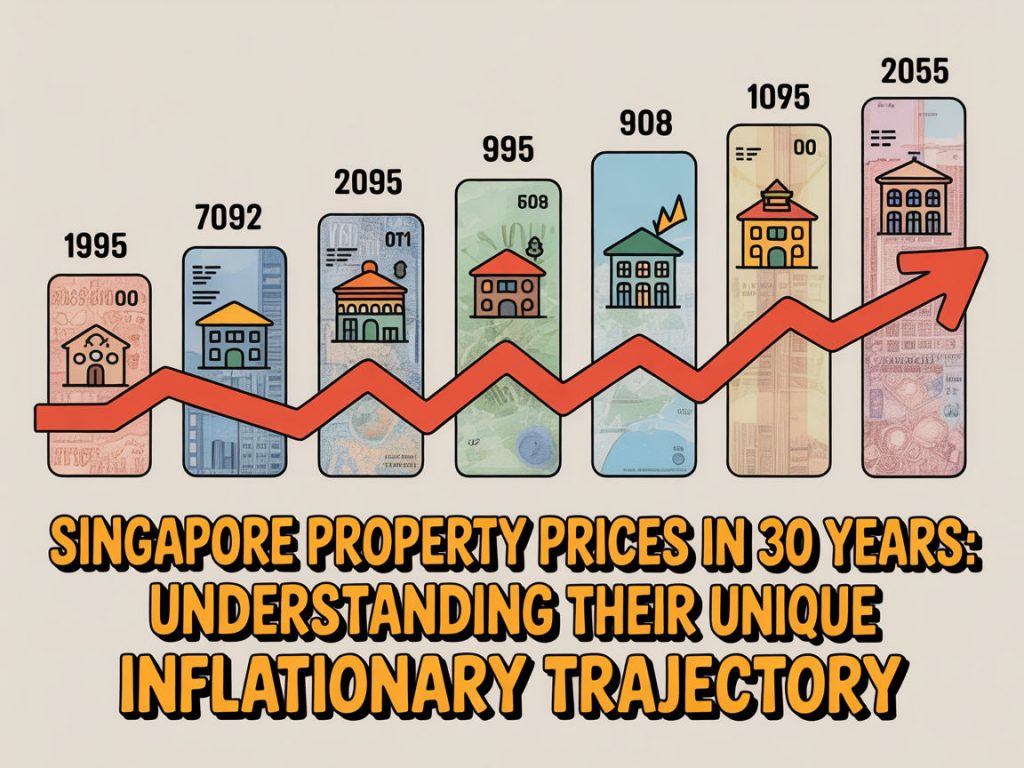
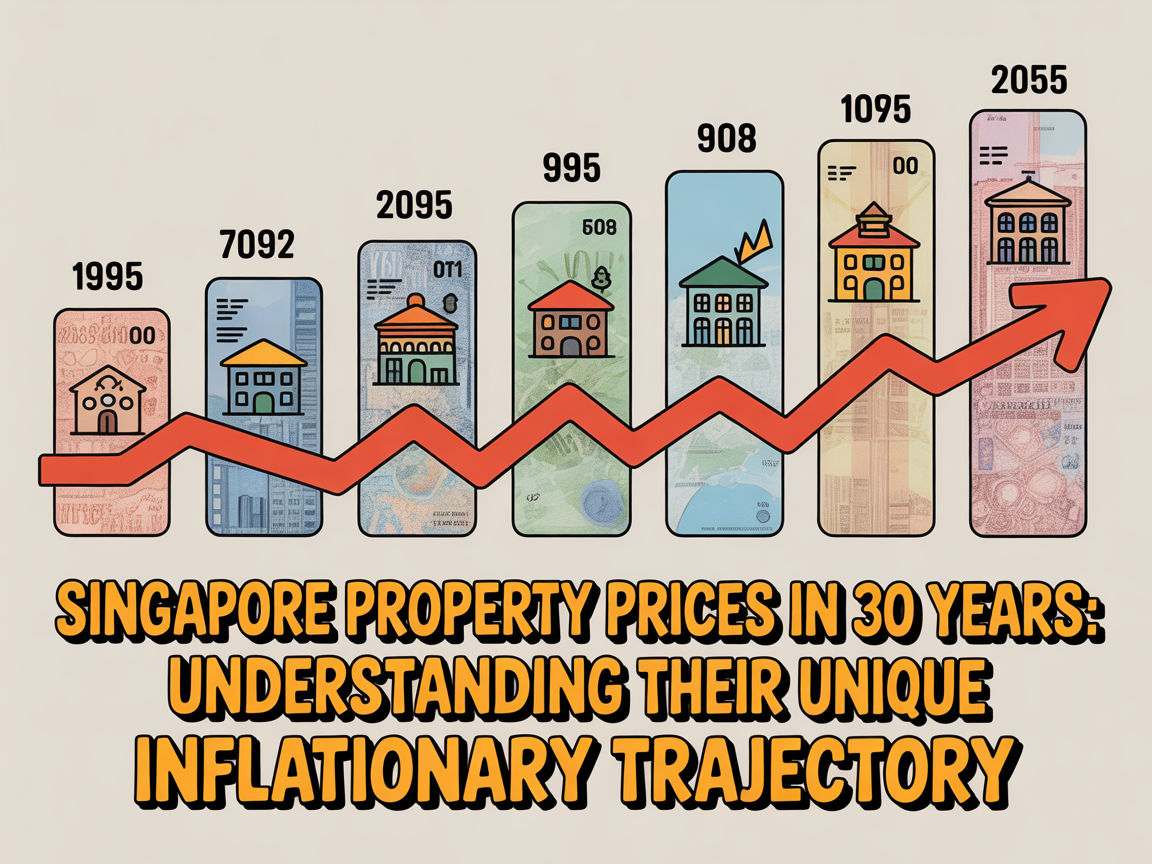
Singapore’s property market has shown a unique inflationary trajectory over the past 30 years, consistently outpacing general consumer inflation. While everyday goods like meals or medical bills rose at about 2.5–3% annually, resale HDB flats and private properties appreciated far more aggressively. For instance, a 4-room resale flat that cost just over $400,000 in 2014 now exceeds $610,000 in 2024. Median wages have grown, making consumer goods relatively more affordable, but housing affordability has worsened, especially in the resale and private segments. BTO flats remain buffered by government controls, yet bypassing the BTO queue often requires paying hefty premiums. This dynamic forces younger Singaporeans to rethink property aspirations—balancing lifestyle goals, education, and financial stability against escalating housing costs. Ultimately, property inflation magnifies financial strain, making strategic choices about timing, type of housing, and broader life priorities more critical than ever
Singapore’s real estate market demonstrates a distinct inflationary pattern, often outpacing other goods and services. While global inflation has been a recent concern, the long-term appreciation of property, particularly in the resale HDB flat and private property sectors, reveals a more aggressive trend.
Consider the example of 4-room HDB resale flats. In October 2014, the average price was around $423 psf, meaning a typical 960 sq. ft. flat cost slightly over $400,000. By October 2024, this had risen to $636 psf, pushing the cost of a similar flat to over $610,500.
For comparison, if we consult the MAS Inflation Calculator (up to 2023), a meal costing $3.50 in 2013 would be approximately $4.50 today, and a $50 doctor’s bill would be around $58. This indicates a general inflation rate of about 2.5% to 3% for common goods and services like utilities, food, and healthcare. Median wages have also seen significant growth, from $3,800 per month in 2013 to $5,200 per month in 2024. This suggests that for many, wage growth has kept pace with or even outpaced inflation in various categories, making consumer goods like TVs, T-shirts, and phones more accessible relative to working hours.
However, the same cannot be said for resale HDB flats and private properties. While BTO flats remain more affordable due to government controls, the secondary and private markets demand greater financial effort and longer working hours compared to previous years.
Rethinking Property Aspirations for Young Singaporeans
For those who need to bypass the BTO queue, acquiring a resale property often involves a substantial premium. This is due to Singaporeans’ high savings, elevated expectations, and the increasing cost of replacement properties for sellers. The financial outlay can be considerable.
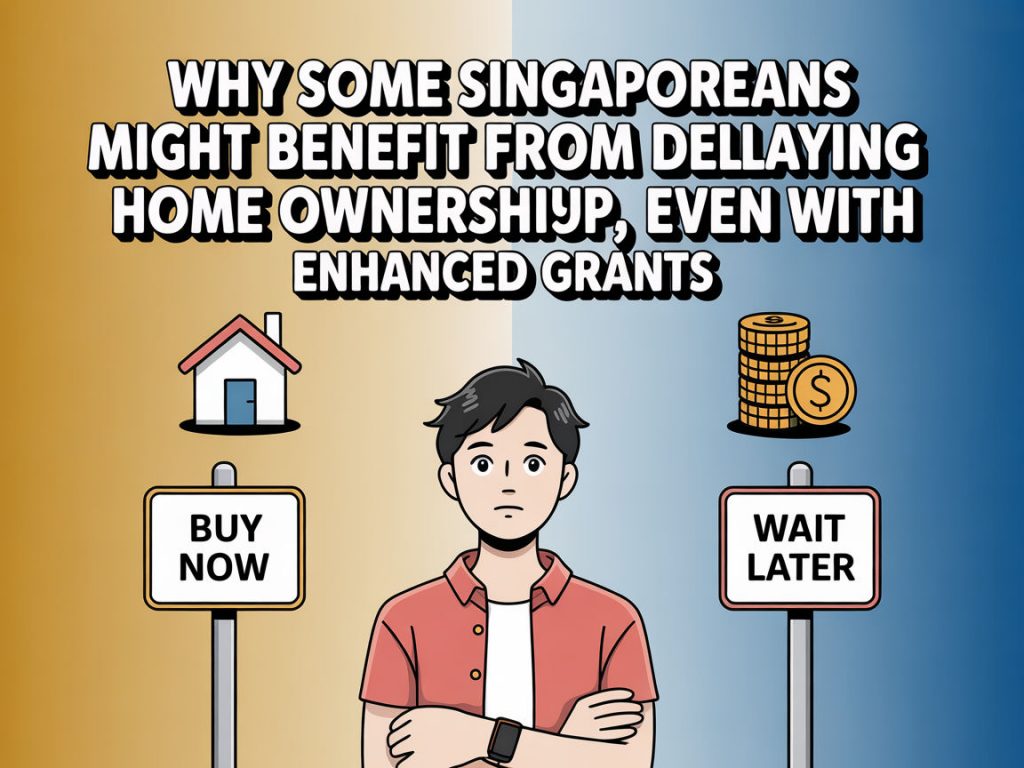
This prompts a re-evaluation of conventional property comparisons. Instead of solely focusing on factors like location, square footage, or MRT proximity, it might be worthwhile to consider broader life goals. Is securing a flat a few years earlier truly worth the cost of a degree or master’s? Does an extra 300 sq. ft. in an older, larger flat (which could amount to over $190,000) genuinely equate to that much value compared to other life aspirations?
Ultimately, the decision boils down to what contributes most to individual happiness, and the answer isn’t always tied to property specifics like walking distance to the MRT. Inflation is undeniable, but focusing primarily on resale properties or private homes can disproportionately amplify its perceived impact. For some, a shift in financial goals away from increasingly expensive housing might be a strategy to mitigate the “pain” of property inflation.