




Fraud Blocker
Your search results

Prioritizing Your Property Search in Singapore: A Practical Framework

Posted by Jayson Ang on July 26, 2026
0 Comments

TLDR

Buying property in Singapore can feel overwhelming, so prioritization matters. Start with price and future downside risk: stay within your financial limits (3‑3‑5 rule), benchmark against nearby resale condos and other new launches, study real URA transaction data, and understand future developments from the Master Plan. Next, assess accessibility, layout, and schools—focus on transport connectivity (not just distance to MRT), efficient and livable layouts (not PSF alone), and relevant school catchments that affect resale demand. Prominence and transaction history are useful “nice‑to‑haves” that improve resale visibility and pricing stability. Freehold vs leasehold usually matters less than expected and should only be a tiebreaker when everything else is equal. Ultimately, whether to buy, sell, or wait depends on your personal finances, timeline, and goals—there is no one‑size‑fits‑all answer.

When embarking on a property search in Singapore, the sheer number of variables can be overwhelming, often leading to “analysis paralysis.” Since fulfilling every desire is impractical, a structured approach to prioritizing key considerations is essential. This framework ranks priorities to help navigate the complex property market effectively.

1. Price, Surrounding Alternatives, and Future Changes (Top Priorities)

Price: Affordability is the foremost concern, dictated by individual financial circumstances (e.g., existing sale proceeds, loan eligibility, current income, and savings). A widely used guideline is the 3-3-5 rule:

  • 30% of monthly income: Monthly mortgage repayments should not exceed 30% of your combined monthly income.
  • 30% of property price saved: Have at least 30% of the property price saved upfront before buying.
  • 5x annual income: The property price should not exceed five times your combined annual income.

Comparing to Surrounding Alternatives: Thorough benchmarking against nearby properties is crucial. This involves:

  • Neighborhood-Specific Benchmarking: Analyzing existing private condos nearby, especially newer ones, considering transaction volumes, unit sizes, mix, layouts, and buyer demographics (e.g., proportion of HDB upgraders).
  • Price Point Contextualization: Comparing the property’s indicative pricing against:
    • Nearby resale condos (ideally within 1km and similar in size).
    • Other new launches across Singapore with similar configurations (even if in different districts).
    • Historical land costs and recent Government Land Sales (GLS) tenders to understand if pricing aligns with land acquisition realities.
  • Buyer Target Group Alignment: Identifying the likely buyer pool (e.g., HDB upgraders, luxury buyers) and assessing if price points are realistic based on recent BTO gains.
  • Resale Exit and Demand Potential: Evaluating potential resale demand by examining sales trends of similar units in older condos, considering risks associated with smaller units in upgrader estates, and anticipating how new BTO completions might shift future demand.

It’s critical to rely on actual transaction data from URA records, not merely asking prices from property portals. Newer comparable condos often simplify this process due to more accessible data and efficient layouts.

Studying Surrounding Property Plots: A property’s current appeal might change. Interpreting URA’s Master Plan provides insights into future developments:

  • Density and Future Neighbors: Understand zoning for low, mid, or high-density housing to gauge future competition, noise levels, and whether unblocked views might disappear.
  • Growth Catalysts: Proximity to upcoming commercial hubs, white sites, or mixed-use developments can bring new amenities and boost future resale appeal.
  • Liveability Risks: Identify zones that might introduce traffic, noise, or operational disruptions (e.g., industrial areas, hospitals, places of worship, though opinions on these vary).

2. Accessibility, Size & Layout, and Schools

Accessibility: Beyond just any nearby MRT station, consider planned transport nodes (new MRT lines, expressway links) that can enhance long-term value. The number of train lines accessible from a station often matters more than mere proximity. For example, a condo near Dhoby Ghaut, with access to multiple lines, is often valued higher than one with a single-line station. Also, understand actual connectivity; some properties that appear remote on maps might have excellent bus links to transport hubs (e.g., Normanton Park’s bus link to One-North MRT).

Size and Layout: Look beyond price PSF and raw square footage. Focus on livable spaces and how they support your lifestyle:

  • Functional Layouts: Consider efficiency (e.g., dumbbell vs. corridor formats).
  • Layout Compromises: Identify features like oversized air-con ledges, small bedrooms, or lack of proper kitchen ventilation.
  • Usable Space: Recognize that “pre-harmonization” condos might have inflated paper sizes due to non-usable features like large bay windows or planter boxes, making their actual livable space smaller.

Educational Catchments (Schools): The presence of new or existing schools within 1km can significantly impact both saleability and eligibility for priority admission. For resale gains, primary schools generally have the most impact. For own-stay use, prioritize schools relevant to your children’s current or future educational stages (e.g., secondary or tertiary institutions). HDB buyers should also consider the Minimum Occupation Period (MOP) and its impact on school choices, especially for Prime or Plus flats.

3. Prominence and Established Transaction History

These qualities are intertwined. “Benchmark” condos (e.g., Ardmore Park, Leedon Residence, Maple Woods) are constantly referenced by realtors and investors. This prominence ensures higher visibility in the resale market, attracting more inquiries. Prominent condos often have established transaction histories, which reduces the “anchoring effect” where a single unusual transaction can skew pricing in properties with limited sales data. While not as critical as price or accessibility, these are significant “nice-to-have” features that can enhance saleability.

4. Freehold vs. Leasehold

The perceived importance of freehold tenure is often disproportionately high, perhaps due to the psychological reassurance of “owning forever” or distinguishing it from HDB flats. While leasehold properties often outperform freehold ones, and both typically have effective lifespans of 25-39 years for owners, some buyers are willing to pay a premium for freehold.

Logically, freehold makes more sense for very long holding periods or if it’s a freehold property surrounded by leasehold ones (less impactful in Districts 9 or 10, where most properties are freehold). Ultimately, its impact is usually smaller than other factors on this list, making it more of a tiebreaker when all else is equal between two choices.

Should You Buy, Sell or Wait?

If you’re reading this, you must be trying to figure out the best course of action right now: is it the right time to buy or sell?

It’s difficult to give an exact answer since everyone’s situation is unique and what works for one person may not necessarily work for you.

I can bring you a wealth of on-the-ground experience and a data-driven approach to provide clarity and direction. From beginners to experienced investors, our top-down, objective approach will help you on your real estate journey.

I can help you by:

  1. Offering Strategic Real Estate Advice – I can help create a comprehensive plan to guide you through your property journey.
  2. Connecting Your Home with the Perfect Buyers – Through stunning visuals, an effective communication strategy, and an in-depth knowledge of the market, we’ll ensure your home is presented in the best possible way to fulfill your goals.

You May Also Like …


When Should You Consider Investing in Singapore Property, and When Should You Avoid It?
All Buying Tips Selling Tips

When Should You Consider Investing in Singapore Property, and When Should You Avoid It?

TLDR Investing in real estate is a complex decision influenced by personal goals, investment horizon, rental plans, and financial liquidity....
Read More

5 Things to Know About Singapore’s Urban Redevelopment and Landscape Changes
Mandarin Top 5

5 Things to Know About Singapore’s Urban Redevelopment and Landscape Changes

As one of the world's most densely populated cities, Singapore has undergone significant urban redevelopment over the past few decades...
Read More
Can Your HDB Flat Safeguard Your Retirement?
All Buying Tips

Can Your HDB Flat Safeguard Your Retirement?

TLDR The HDB market has seen significant changes over the years, with many young owners looking to upgrade to private...
Read More
How to Maximise Your Home Value Before Selling : 6 Simple Steps
All Blog Posts Opinion

How to Maximise Your Home Value Before Selling : 6 Simple Steps

TLDR When looking to sell your home, consider simple ways to boost its value without costly renovations. Organize living spaces,...
Read More
The 5 Most Popular Types of Properties to Buy in Singapore
Mandarin Top 5

The 5 Most Popular Types of Properties to Buy in Singapore

The 5 Most Popular Types of Properties to Buy in Singapore 1. Condominiums: Condos are popular among buyers because they...
Read More
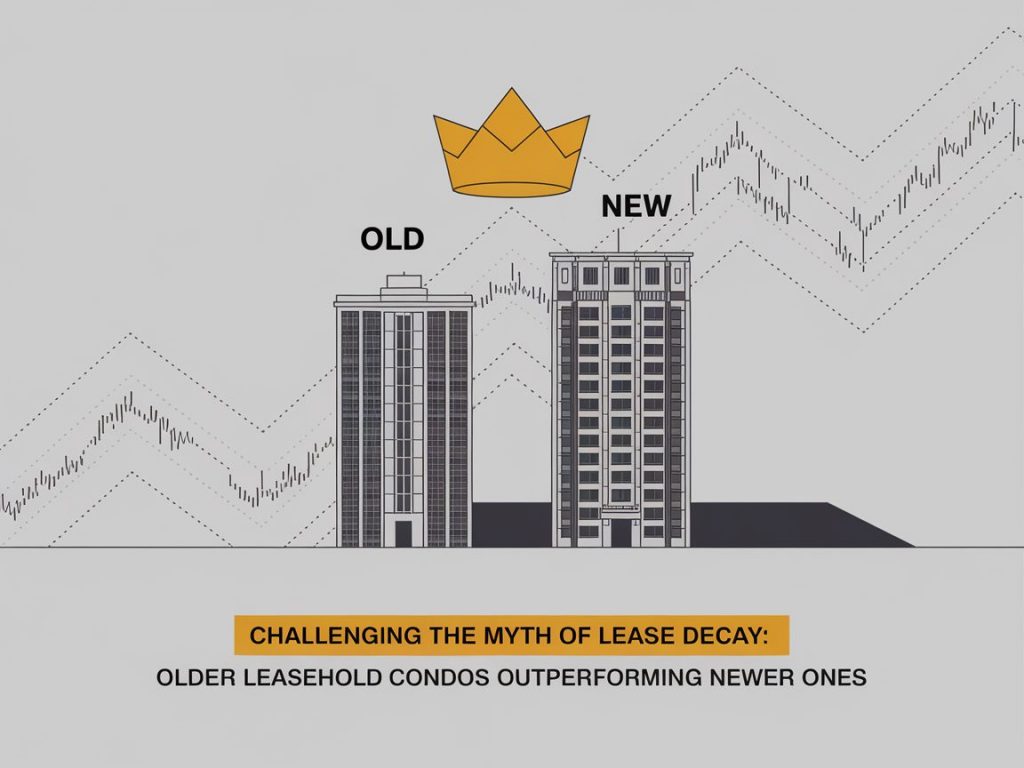
Challenging the Myth of Lease Decay: Older Leasehold Condos Outperforming Newer Ones
All Buying Tips Opinion

Challenging the Myth of Lease Decay: Older Leasehold Condos Outperforming Newer Ones

TLDR Older leasehold condos in Singapore, particularly those built in the 1980s and 1990s, have shown annualised price growth exceeding...
Read More
Experience The Best Of Southeast Asia: 5 Must-See Destinations After Singapore
Mandarin Top 5

Experience The Best Of Southeast Asia: 5 Must-See Destinations After Singapore

Singapore is a great starting point for travelers looking to explore the region. From Singapore, there are many great destinations...
Read More
Top 5 Rules for Investing in Singapore’s Property Market – Expert Insights!
Mandarin Top 5

Top 5 Rules for Investing in Singapore’s Property Market – Expert Insights!

Investing in Singapore's property market has long been considered a lucrative and stable investment option. With its robust economy, strong...
Read More
Top 5 : Greatest Challenges That Investors Face In Singapore’s Real Estate Market
Mandarin Top 5

Top 5 : Greatest Challenges That Investors Face In Singapore’s Real Estate Market

Singapore's real estate market is a dynamic and attractive investment landscape for both local and international investors. Known for its...
Read More
Top 5 Best Hidden Photography Locations in Singapore
Mandarin Top 5

Top 5 Best Hidden Photography Locations in Singapore

Singapore, a vibrant city-state known for its iconic landmarks and bustling urban landscape, is also home to numerous hidden gems...
Read More
Unpacking Property Ownership: Joint Tenancy vs. Tenancy-in-Common 
All Buying Tips Selling Tips

Unpacking Property Ownership: Joint Tenancy vs. Tenancy-in-Common 

TLDR When a property has multiple owners, the choice of ownership type is crucial to determine how shares are distributed...
Read More
The Hidden Costs of Smaller Homes in Singapore
All Buying Tips Financial Considerations Opinion Singapore Homeownership & Lifestyle

The Hidden Costs of Smaller Homes in Singapore

TLDR Smaller household sizes in Singapore do not automatically mean people need smaller homes. Shared spaces such as kitchens, living...
Read More
Discover 5 Reasons Executive Condominiums Could Prove To Be A Smart Investment Despite Growing Inflation
All Blog Posts Opinion

Discover 5 Reasons Executive Condominiums Could Prove To Be A Smart Investment Despite Growing Inflation

TLDR An overview of the article discussing the benefits of Executive Condominiums (ECs) over private condos in the current real...
Read More
Can You Skip the 15-Month Wait When Selling Private and Buying Resale HDB?
All Buying Tips Opinion

Can You Skip the 15-Month Wait When Selling Private and Buying Resale HDB?

TLDR The 15-month wait-out rule requires private homeowners to sell their property and wait 15 months before buying a resale...
Read More
The Hidden Worth of Singapore’s Far-Flung HDBs
All Opinion Reports

The Hidden Worth of Singapore’s Far-Flung HDBs

TLDR Location is important in Singapore’s property market, but “ulu” (remote) HDB flats in areas like Woodlands, Choa Chu Kang,...
Read More
Fresh Take On What Singapore Condo Buyers Want In 2025
All Buying Tips Opinion

Fresh Take On What Singapore Condo Buyers Want In 2025

TLDR 2025 property buyers in Singapore are more discerning, prioritizing transparency, smart design, and real quality over flashy gimmicks. They...
Read More
Top 5 Factors : What Is Considered “Luxury” In The Singapore Property Market?
Mandarin Top 5

Top 5 Factors : What Is Considered “Luxury” In The Singapore Property Market?

The Singapore property market is known for its high-quality residential properties, attracting both local and international buyers. Luxury real estate...
Read More
HDB Market Outlook 2023
All Blog Posts

HDB Market Outlook 2023

TLDR: Understanding the HDB Market Outlook 2023 The HDB resale market showed resilience in 2022, with significant growth in sales...
Read More
Why Land Cost Largely Sets New‑Launch Condo Prices (And How To Use It To Judge A Fair Launch)
All Buying Tips Opinion

Why Land Cost Largely Sets New‑Launch Condo Prices (And How To Use It To Judge A Fair Launch)

TLDR New‑launch condo prices in Singapore are primarily anchored by land cost, which typically accounts for about 70% of the...
Read More
Upgrading to a Condo by Age 35: A Feasible Goal for the Average Singaporean in 2025?
All Buying Tips Opinion Selling Tips

Upgrading to a Condo by Age 35: A Feasible Goal for the Average Singaporean in 2025?

TLDR Upgrading from an HDB flat to a condo by age 35 is technically feasible for median-income Singaporeans, but only...
Read More
1 … 21 22 23 24 25 … 37

Compare Listings