



5 Things to do When You Go For A Property Viewing In Singapore
5 Things to do When You Go For A Property Viewing In Singapore Here are 5 things to keep in...
Read More


TLDR
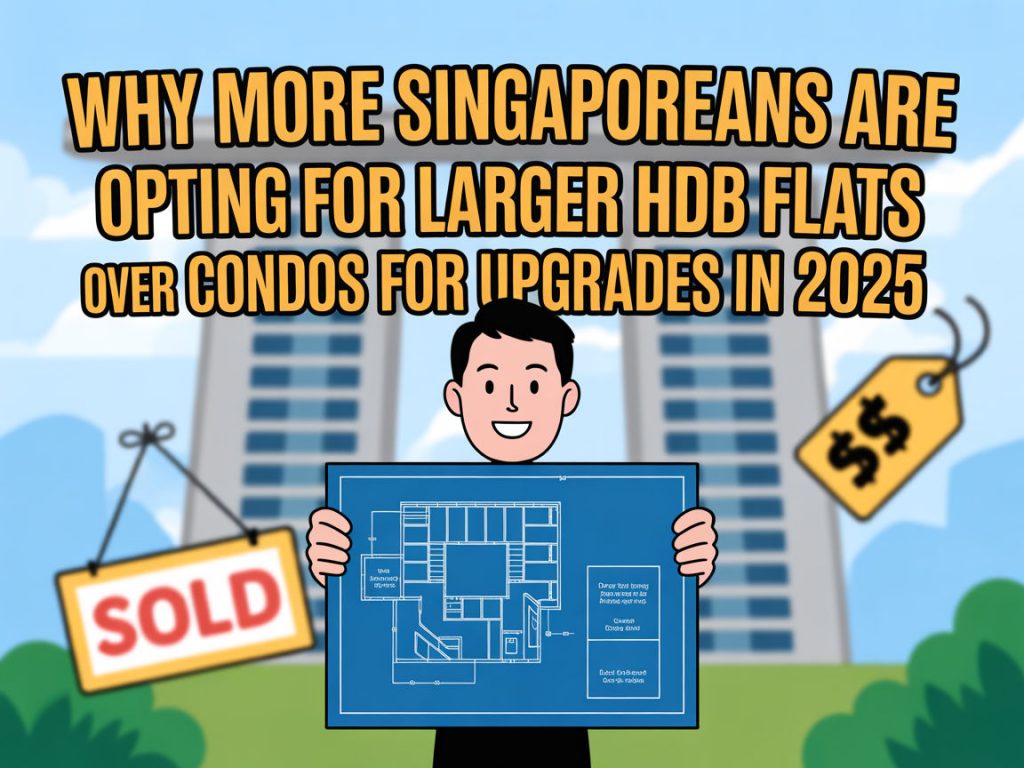
Younger Singaporeans are increasingly drawn to older resale HDB flats due to their larger size and central locations, without the heavy restrictions of newer Plus or Prime flats. However, these flats come with significant considerations: potential lease decay, costly renovations (especially if little has been updated in decades), and inconsistent build quality. Exiting options are limited due to low SERS/vers rates and poor resale prospects as leases shorten. Maintenance can also be a challenge, both for the flat and the surrounding estate, sometimes exacerbated by an aging resident population. For buyers in their late 20s and 30s, older flats built in the 1980s or 1990s may offer the best compromise—ample space and reasonable tenure left—but they are best suited for those planning to stay long-term. Ultimately, whether to buy, sell, or wait depends on your personal goals and risk appetite.
While older resale flats may offer more space, concerns regarding lease decay and age are significant. The primary issue is to avoid outliving the flat, but there are additional factors to consider: these older properties may require more maintenance, and those located in central areas often come with higher Cash Over Valuation (COV). Not everyone is prepared to handle these challenges or understands the potential future complications (many of these issues are likely to worsen over time). Therefore, this week we will examine the probable challenges and risks that these older flats present to young adult buyers.
Apart from three-room flats, the majority of HDB developments have decreased in size over the years (refer to this article for more specific information); thus, one reason for preferring an older flat is the additional space.
In addition to this, older apartments can be located in the sought-after Central Area or near local community hubs. While we currently have Plus and Prime model flats available, older resale apartments in central locations do not carry the 10-year Minimum Occupation Period (MOP) and other limitations.
For individuals in their late 20s and 30s, this will most likely mean flats constructed in the 1980s and 1990s. These are likely to be the most aged flats accessible, while still allowing them to utilise the maximum amounts from their Central Provident Fund (CPF).
(If the lease of the flat does not extend until the youngest buyer reaches the age of 95, the amount of CPF that can be used will be adjusted accordingly.)
Currently, flats situated in mature areas that were built in 2010 or later are typically priced at a premium; they are relatively new and boast excellent locations. Consequently, buyers who find it difficult to afford the nearly million-dollar price tags in places like Ang Mo Kio or Bishan may prefer an older flat, which is made more budget-friendly due to shorter remaining leases.
Key factors to consider:
If the previous owner resided in the flat for 30 to 40 years without any renovations, this could result in a higher cost for a complete overhaul. After 15 to 20 years (and we are being quite lenient), issues tend to surface: cracked tiles, sagging shelves, and cabinetry and countertops with peeling sections, among others.
One of the primary concerns will be the electrical system, which likely requires significant updates. This is an area where you definitely don’t want to cut corners, as dealing with electrical issues later can be quite bothersome. Additionally, there are often waterproofing issues, as window seals will need replacement after such an extended duration.
For older flats, particularly those constructed in the ‘60s and ‘70s, a full redesign of the bathroom might be necessary. In this time period, squatting toilets were more prevalent, so you may need to install a traditional toilet bowl.
However, it’s important to note that even with more recent renovations, there may still be a desire to update the flat to match your personal style. The key difference is that when the existing renovations are still somewhat acceptable, you can take your time to renovate gradually rather than needing to tackle everything all at once.
This can differ greatly from one project to another. On one hand, we’ve encountered individuals who assert that older HDB flats are constructed to a higher standard – they claim that the tiles are less prone to warping, the walls are thicker, and concrete spalling is less evident (even in communal corridors, not just within the flats themselves).
Conversely, we have also heard contrasting views. Some people have raised concerns about weaker water pressure and frequent lift malfunctions. If not properly maintained, the estate can appear aged and rundown.
This variation may stem from the fact that during the ‘90s and earlier, HDB was more experimental in its approach. Many unique designs, including those featuring Bubble lifts, reflect this; this could also explain some of the inconsistent quality observed in older flats. In contrast, modern HDBs built using the precast construction method offer a consistent quality across all new flats.
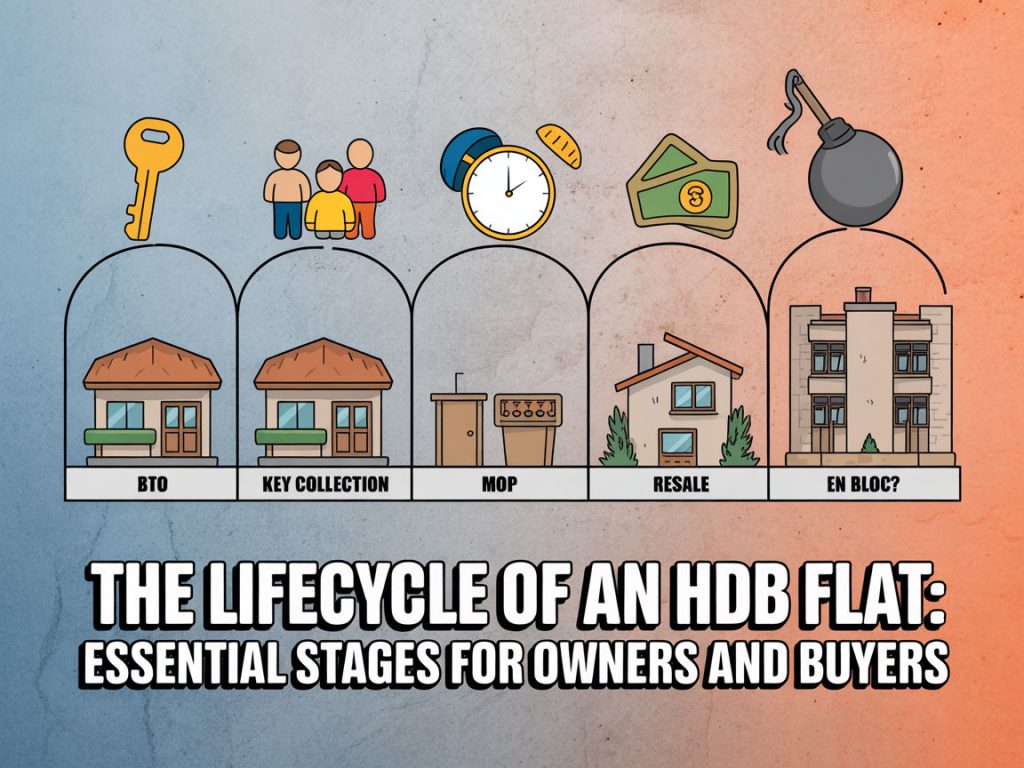
Only about four to five per cent of older HDB flats will qualify for SERS. Furthermore, SERS is not always a profitable venture, as illustrated by the case in Ang Mo Kio. Regarding VERS, there has yet to be a single exercise; and with the high population density of an HDB project, reaching a consensus may prove challenging. Older neighbourhoods typically have older residents, many of whom are reluctant to relocate in their 70s or 80s.
When en-bloc is taken off the table as an exit strategy, what alternatives remain? Resale options become difficult when a flat has only 60 years left on its lease (financing becomes limited), and banks are unwilling to offer loans for flats with 30 years or fewer remaining (20 years or less for HDB loans). This renders the flat unreliable as a means to finance its replacement.
This situation leaves few choices aside from the Lease Buyback Scheme (LBS) – but this may not be beneficial if your circumstances require you to move. This is potentially more of a concern for someone in their late 20s or 30s than for a retiree who has a shorter time frame.
For those considering older flats, they are likely viewing this option as their permanent residence.
Established neighbourhoods often feature a greater diversity of residents compared to newer flats or BTOs, where most inhabitants belong to similar age groups. Unfortunately, this can lead to some challenging situations, such as individuals who smoke in shared corridors (which may waft into your unit), hoarders, or noisy rental units with frequent tenant turnover. If these neighbours have maintained such behaviour for many years, they might resent any requests for change.
While we do not support ageism, it is a fact that older neighbourhoods typically contain older residents, which can present certain difficulties. One such issue is the neglect of elderly parents by their children:
Many of these ageing individuals struggle to maintain cleanliness in their homes and rely on visits from relatives or children for assistance. If that support is lacking, their living space can become cluttered, attracting pests and affecting nearby units. There are also safety concerns: some elderly neighbours with conditions like dementia or visual impairments may lack live-in help or children to assist them. This situation increases the risk of accidents, such as fires if they forget to turn off the stove or make errors in the kitchen.
Although this does not apply to every older neighbour, it is wise to be aware of these factors before making a purchase.
Ultimately, you may wish to take into account that apartments constructed in 1990 are at the ideal point for numerous younger homeowners.
This is due to the fact that they remain relatively spacious and lack a bomb shelter. Additionally, this was around the period when the rubbish chute was relocated to a communal area. It’s worth mentioning that having the chute situated outside the unit is now seen as beneficial, as it results in fewer pest problems. Finally, the remaining tenure suggests it can still last a typical person’s lifetime into their 30s.
Although current policies often discourage younger purchasers from considering older flats, we believe many are still drawn to these residences. With the impending restrictions on Plus and Prime flats, more young Singaporeans might choose an older resale flat in the vicinity, avoiding the stricter limitations.
If you’re reading this, you must be trying to figure out the best course of action right now: is it the right time to buy or sell?
It’s difficult to give an exact answer since everyone’s situation is unique and what works for one person may not necessarily work for you.
I can bring you a wealth of on-the-ground experience and a data-driven approach to provide clarity and direction. From beginners to experienced investors, our top-down, objective approach will help you on your real estate journey.
I can help you by:


You May Also Like …
























A password will be e-mailed to you