

Pitfalls of Owning a Boutique Condo: 5 Insider Insights You’ll Wish You Knew Earlier
TLDR When considering boutique condos, be mindful of potential drawbacks such as dominating families influencing rules, lack of privacy due...
Read More

TLDR
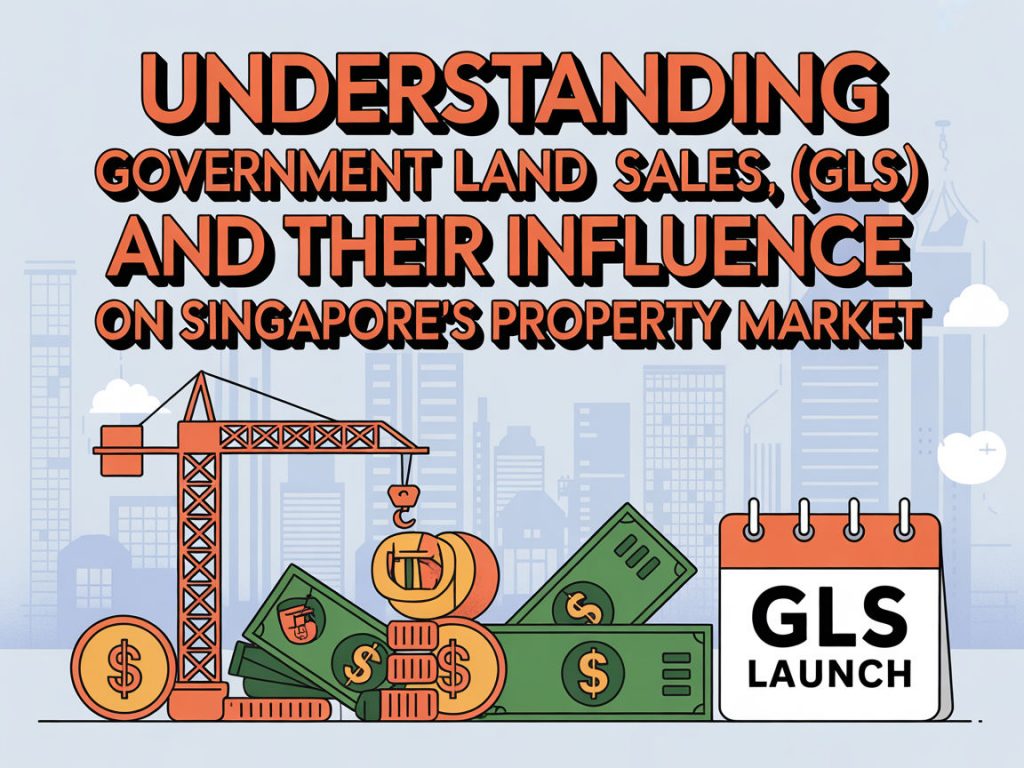
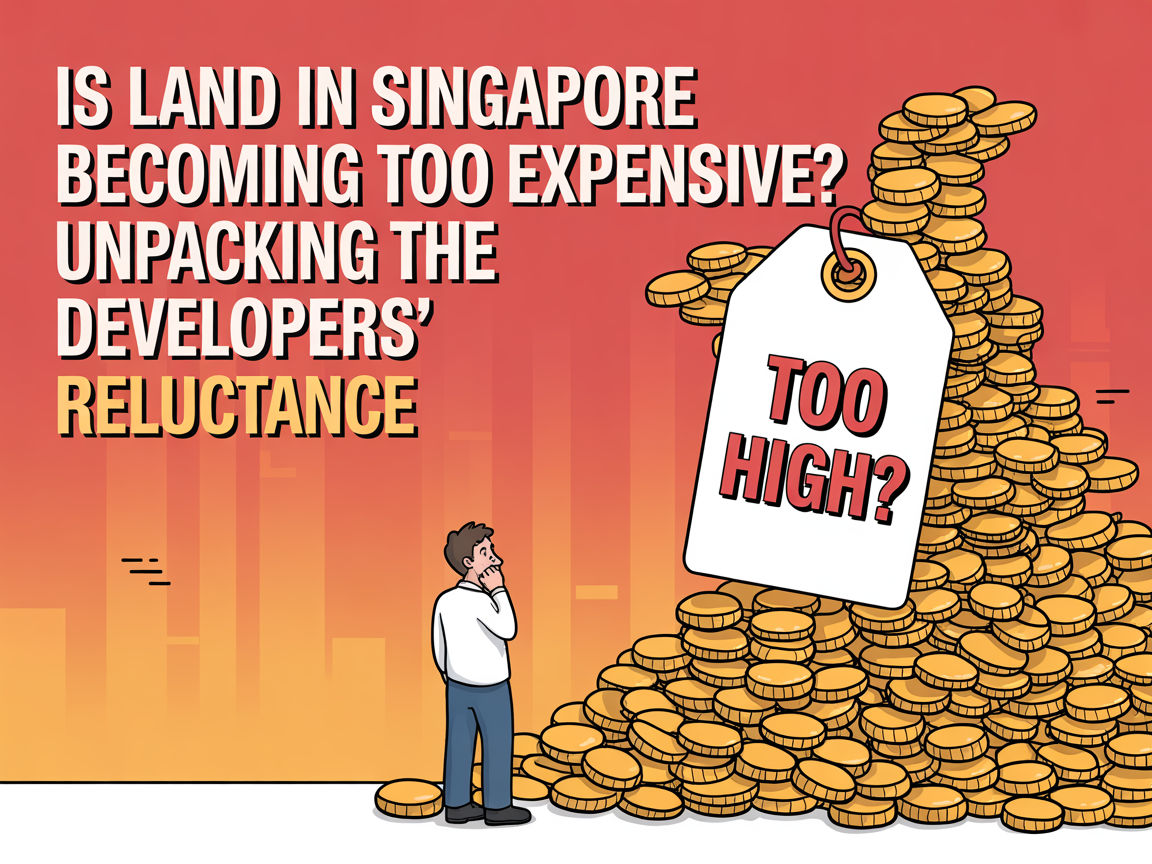
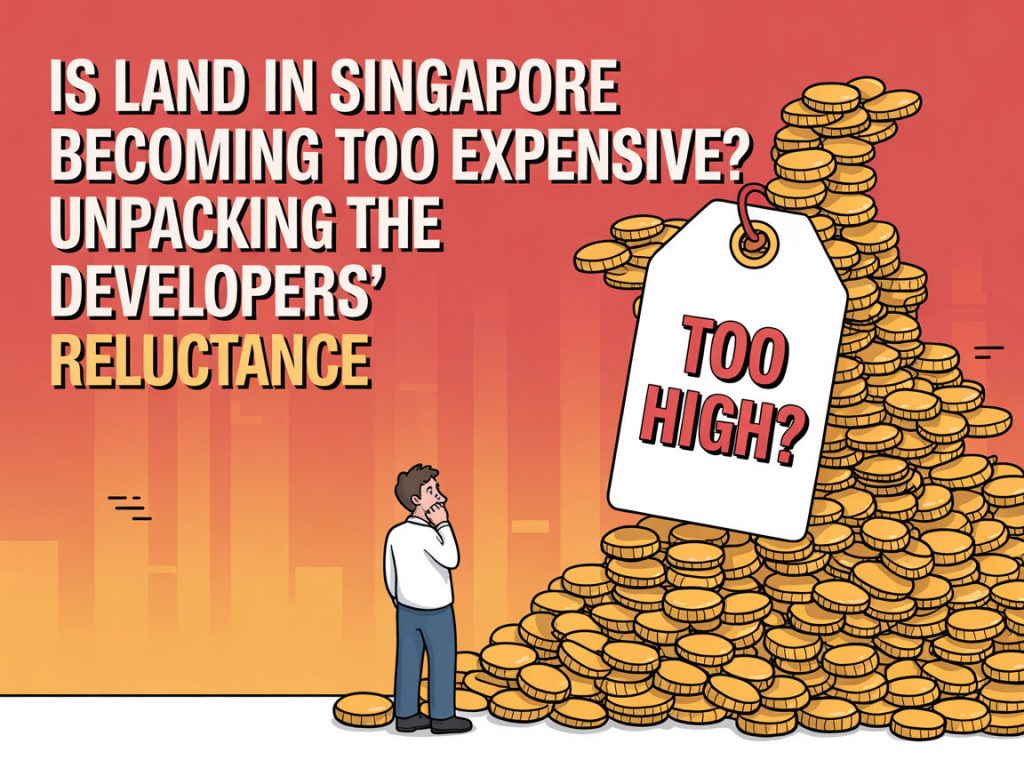
Singapore’s escalating land costs are reshaping developer strategies and the property market. With government land sales commanding record prices and construction expenses rising, developers are increasingly cautious about launching new projects. Many prefer smaller-scale developments or delay launches to avoid overcommitting in uncertain conditions. This reluctance reduces supply, intensifying competition for resale condos and pushing prices higher. Buyers face shrinking unit sizes and higher psf rates, while developers struggle to balance affordability with profitability. The trend signals a structural challenge: land scarcity and rising costs are making housing less accessible, while developers hedge risks by limiting supply. For investors and homeowners, this means fewer opportunities at entry-level pricing and a stronger emphasis on long-term value rather than short-term speculation.
The recent lack of interest in Government Land Sales (GLS) plots, highlighted by the third consecutive failed bid for the Media Circle land plot, signals a significant shift in Singapore’s property market. This disinterest, akin to finding no queue for free ice cream, is surprising given the current high prices of new launch condos. While a surge in supply could potentially moderate prices, the underlying reasons for developers’ reluctance warrant closer examination.
Developers typically operate on a roughly five-year cycle: acquiring land, building and selling properties, and then replenishing their land banks. The last major en bloc rush, where developers acquired existing condominiums for redevelopment, was in 2017. Based on this cycle, a new wave of land acquisition was expected by 2022. While the COVID-19 pandemic and rising interest rates introduced some delays, the current situation in 2024 shows an unexpected level of disinterest. The en bloc market remains stagnant.
What’s more concerning is the lack of interest in GLS plots. These are generally considered the most straightforward way for developers to replenish their land banks, as the process is far less complex than collective sales of existing condos. Historically, failed GLS bids have been rare, with the last instance in 2020 being a special case involving a 30-year lease site. Yet, high-profile sites like Marina Crescent, Jurong Lake, and Media Circle, which are far from undesirable locations, have garnered little to no interest. The exceptionally low bids, such as the rejected bid for Media Circle being 61% lower than a neighboring plot, suggest a deliberate message from developers to the government.
Developers are also showing little enthusiasm for acquiring and redeveloping existing resale condominiums. The prevailing economic uncertainty makes large-scale redevelopments risky. Unless it involves small developers and niche land plots, a resurgence in collective sales is unlikely.
On the sellers’ side, the high prices they expect for their properties, driven by the increased cost of replacement homes, further deter developers. Additionally, the 15-month waiting period for HDB owners to buy a resale flat after selling their existing one creates an added barrier for some potential en bloc sellers, contributing to their reluctance.
The government’s push for the inclusion of long-stay service apartments (SA2) in GLS offerings is a significant factor in developers’ current reluctance. This initiative aims to alleviate pressure on the rental market by providing long-term accommodation options that do not compete with short-term stays. However, developers are clearly signaling their disinterest in this model.
In an environment of rising economic uncertainty, developers are disinclined to undertake projects that involve managing service apartments (often through management firms) and effectively acting as landlords. This deviates significantly from their traditional business model of building and selling condominiums. The softening rental market and geopolitical instability further exacerbate these concerns. (In a recession, for example, corporations often cut housing allowances and reduce expatriate hires, directly impacting the service apartment market).
It is becoming increasingly likely that the government will need to offer more attractive incentives, possibly even lower reserve prices for GLS plots that mandate the inclusion of these long-stay units, to encourage developer participation and address the current “GLS winter.”
If you’re reading this, you must be trying to figure out the best course of action right now: is it the right time to buy or sell?
It’s difficult to give an exact answer since everyone’s situation is unique and what works for one person may not necessarily work for you.
I can bring you a wealth of on-the-ground experience and a data-driven approach to provide clarity and direction. From beginners to experienced investors, our top-down, objective approach will help you on your real estate journey.
I can help you by:


You May Also Like …














A password will be e-mailed to you