TLDR
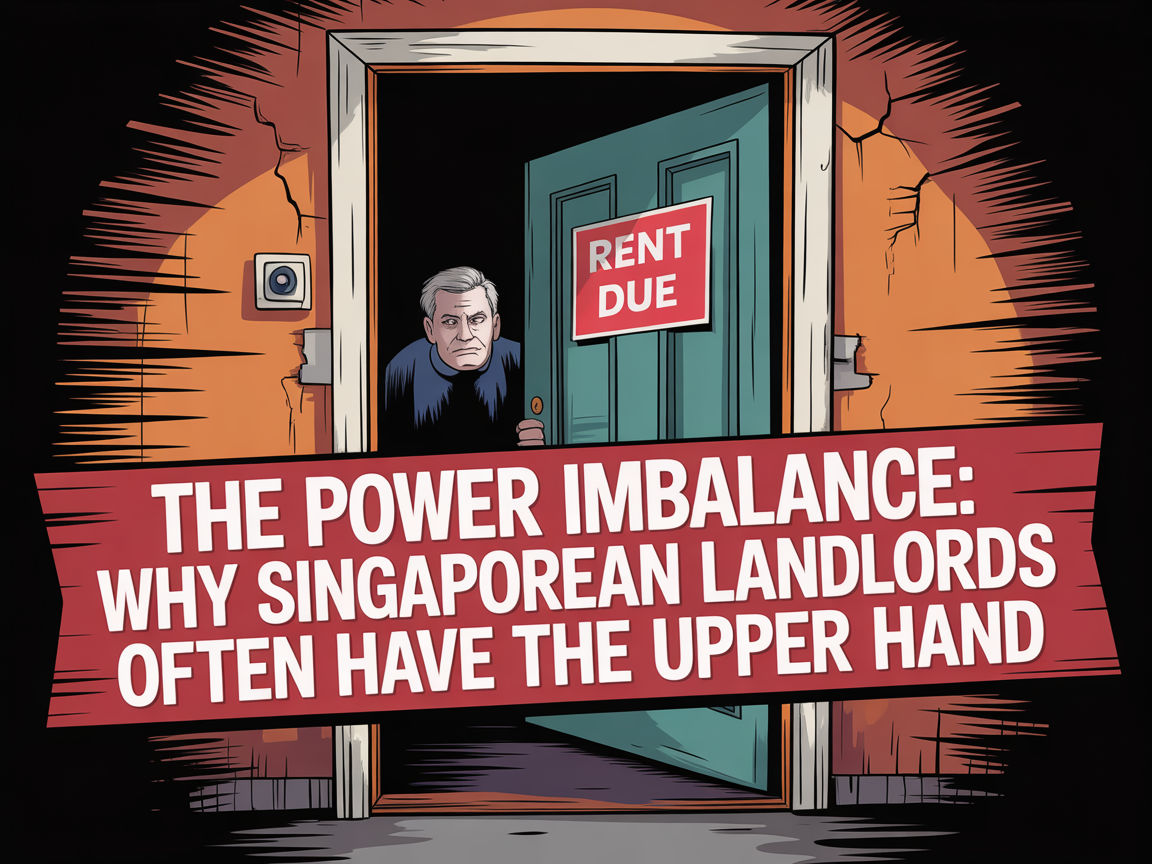
Singapore’s rental market reveals a clear power imbalance favoring landlords. Limited housing supply, rising demand from expatriates, and high property costs give landlords leverage to dictate terms, often leaving tenants with little room to negotiate. Policies aimed at cooling the property market have not significantly eased rental pressures, as structural factors like land scarcity and strong investment demand persist. Tenants face challenges such as escalating rents, stricter lease conditions, and reduced bargaining power, while landlords benefit from consistent demand and asset appreciation. The imbalance underscores the importance of tenants carefully evaluating affordability, long-term stability, and contractual obligations before committing to leases, as waiting for market corrections rarely shifts the advantage away from landlords.
In Singapore’s rental market, landlords generally possess a significant advantage over tenants. This stems from a few key factors: the absence of formal rent control measures since 2001, the lack of a dedicated tenancy resolution body (disputes are handled by the Small Claims Tribunal or SCT), and the reliance on private contracts.
It’s relatively uncommon to hear of tenants successfully pursuing claims against landlords, given the system’s structure. However, when such cases do arise, they almost invariably revolve around the security deposit. A familiar narrative involves landlords making questionable deductions for “damages” at the end of the lease, sometimes leaving tenants with little to no refund.
Through observing cases where tenants have successfully reclaimed their deposits via the SCT, several common patterns emerge:
- Disputes Over Wear and Tear: Landlords often attempt to charge for normal wear and tear, for which tenants are not liable. Items like sliding doors that no longer function perfectly or peeling countertop laminate can often be successfully argued as fair wear and tear rather than tenant-induced damage.
- Withholding Final Month’s Rent (with Legal Advice): In situations where tenants suspect unfair deductions, some have successfully withheld their final month’s rent. However, this is typically done only after seeking legal counsel, as unilaterally withholding rent can constitute a breach of contract and allow the landlord to pursue legal action. Nevertheless, some landlords may choose not to pursue such cases, depending on the amount involved.
- Early Issuance of a Lawyer’s Letter: Many successful tenants initiated their process by sending a legal letter to the landlord early on. While incurring some cost, this action signals to the landlord that the tenant is aware of their rights and prepared to defend them, potentially influencing the landlord’s approach.
- Thorough Photo Documentation: A crucial element of success is comprehensive photo evidence. Inexperienced tenants often neglect to meticulously document the property’s condition at the start of the lease. Cases have been observed where landlords attempted to claim for items actually purchased by the tenant (e.g., a replacement desk or mattress). It is highly advisable to email photos of any pre-existing damages to the landlord, agent, or both, as this creates an easily retrievable, timestamped record.
The inherent advantage landlords hold in Singapore’s system is perhaps influenced by the nation’s exceptionally high homeownership rate (around 90%). In countries where a larger proportion of the population rents for extended periods, tenant protections tend to be more robust. Given Singapore’s unique housing landscape, a significant shift in the current system appears unlikely.
If forced to rent, a personal preference would lean towards unfurnished properties. While potentially pricier, this ensures that all items within the home belong to the tenant, eliminating disputes over minor damages to landlord-provided furnishings.
Should You Buy, Sell or Wait?
If you’re reading this, you must be trying to figure out the best course of action right now: is it the right time to buy or sell?
It’s difficult to give an exact answer since everyone’s situation is unique and what works for one person may not necessarily work for you.
I can bring you a wealth of on-the-ground experience and a data-driven approach to provide clarity and direction. From beginners to experienced investors, our top-down, objective approach will help you on your real estate journey.
I can help you by:
- Offering Strategic Real Estate Advice – I can help create a comprehensive plan to guide you through your property journey.
- Connecting Your Home with the Perfect Buyers – Through stunning visuals, an effective communication strategy, and an in-depth knowledge of the market, we’ll ensure your home is presented in the best possible way to fulfill your goals.

You May Also Like …
Jayson Ang – August 1, 2024 – Share
TLDR When considering the best time to buy or sell a property in Singapore, historical data analysis reveals key insights....
Read More
Jayson Ang – July 12, 2023 – Share
Top 5 Must-Try Foods in Singapore Singapore, a melting pot of cultures and cuisines, offers a diverse and tantalizing array...
Read More
Jayson Ang – June 20, 2023 – Share
TLDR When navigating the Singapore property market, it's crucial to consider various superstitious beliefs that can impact your decisions. From...
Read More
Jayson Ang – February 19, 2025 – Share
Investing in property, particularly in a thriving market like Singapore, can be an enticing prospect. However, it's not without its...
Read More
Jayson Ang – June 4, 2024 – Share
Alright, let's talk about 2024. We're not expecting the same kind of shortages we've seen after COVID-19. Some folks are...
Read More
Jayson Ang – May 16, 2024 – Share
TLDR When it comes to navigating the complex world of home loans and property acquisition, it's crucial to be aware...
Read More
Jayson Ang – January 10, 2026 – Share
TLDR HDB flats have a 99-year lease, and key housing schemes require the lease to cover the youngest owner until...
Read More
Jayson Ang – June 28, 2024 – Share
TLDR When deciding the best time to sell your property, consider various factors such as market trends, financial goals, and...
Read More
Jayson Ang – October 1, 2026 – Share
TLDR Upgrading from an HDB flat to a condominium between ages 30–35 is often considered optimal due to financial stability,...
Read More
Jayson Ang – September 2, 2024 – Share
TLDR Transitioning from a BTO to a landed property necessitates understanding market trends, meticulous financial planning, exploring financing options, enhancing...
Read More
Jayson Ang – October 26, 2023 – Share
TLDR When buying a new launch condo in Singapore, start by planning your finances to determine loan and property limits....
Read More
Jayson Ang – February 8, 2024 – Share
TLDR Investing in UK property in 2024 offers significant advantages over saving due to the potential for long-term value growth,...
Read More
Jayson Ang – December 10, 2023 – Share
TLDR When it comes to navigating the ups and downs of the Singapore property market, timing is crucial. Three real-life...
Read More
Jayson Ang – July 25, 2025 – Share
TLDR The Fed’s recent 0.5% rate cut is likely to lower Singapore’s SORA-based home loan rates, benefiting those with bank...
Read More
Jayson Ang – September 10, 2024 – Share
TLDR When a property has multiple owners, the choice of ownership type is crucial to determine how shares are distributed...
Read More
Jayson Ang – April 8, 2024 – Share
TLDR Older properties come with unique challenges due to outdated design elements, potential roofing issues, odd land shapes, basement drawbacks,...
Read More
Jayson Ang – December 7, 2022 – Share
https://www.youtube.com/watch?v=B1NTnjxDPy4 Jayson Ang, also known as the Singapore Property Swapper, is a certified Propnex agent and top 1% producer who...
Read More
Jayson Ang – February 17, 2024 – Share
TLDR Luxury freehold properties in Singapore may not always be the lucrative investment opportunities they appear to be. High-end properties...
Read More
Jayson Ang – June 30, 2023 – Share
TLDR The article discusses the challenges of investing in a second property for retirement amidst Singapore's real estate market conditions....
Read More
Jayson Ang – June 20, 2024 – Share
TLDR The Lion City is undergoing rejuvenation with upcoming developments in coveted areas like Clementi and sites near MRT stations....
Read More