
How Can Decoupling Help You in Buying a Second Property?
TLDR Decoupling property ownership in Singapore can help you avoid hefty Additional Buyer's Stamp Duty fees when purchasing a second...
Read More

TLDR
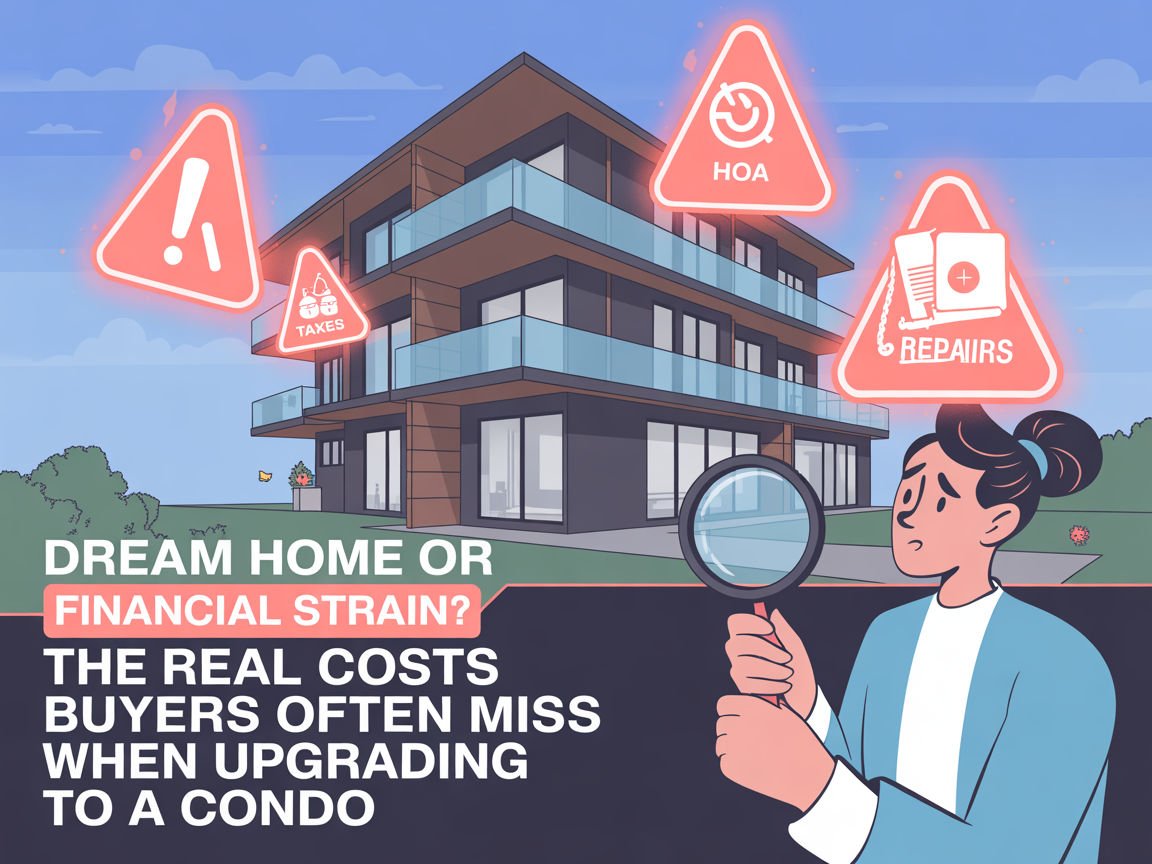
Upgrading to a condo often comes with hidden costs that stretch far beyond the purchase price. Renovation and furnishing can easily exceed $50k–$60k, far above typical reno loan limits, forcing many buyers into expensive unsecured credit. Interim rental while waiting for completion adds further strain, alongside storage, moving, and transport costs. Using all sale proceeds upfront leaves buyers without liquidity, making emergencies harder to manage. Even if CPF covers the mortgage, monthly cashflow must account for maintenance fees, property tax, insurance, and utilities. Transactional costs like stamp duty, legal fees, and bridging loans also erode net proceeds, especially if sales or purchases are mistimed. Ultimately, affordability isn’t about stretching every dollar—it’s about maintaining breathing room. A dream home should elevate life, not create recurring financial stress. Buyers should plan buffers, phase renovations, and consult advisers before committing.
“Will buying a new launch wipe out our cash proceeds?”
That’s a question I still hear — same as in the early 2010s, and again after COVID. Lately, it’s come back as buyers chase “cheap” new launches in premium pockets. The emotional pull to own a unit near Holland V or Great World is powerful: launch weekend pressure, fear of missing out, dreams of a prestigious address. But before you clear out your cash pile to secure that unit, consider the real costs people often forget.
Banks will lend a modest reno loan (typically up to $30,000 or a multiplier of income), but actual renovation bills routinely exceed that — carpentry alone can swallow $30k. Many buyers top up with credit cards or personal loans to finish the job. Furnishing, appliances, curtains, lighting and miscellaneous fit‑outs add up fast.
Practical tip: when you estimate the proceeds from selling your existing home, earmark a separate renovation/furnishing buffer — think $50k–$60k rather than assuming the reno loan will cover everything. Buyers who do this avoid squeezing their cash to the point of needing expensive unsecured credit later.
New launches take time to complete. That interim period often means renting for months or even a year. Finding a pet‑friendly, convenient rental can be harder and costlier; having to move mid lease or extend because of delays is common. Landlords raising rent at short notice? Also common.
Don’t forget other interim costs: storage for bulky furniture or hobby gear, potentially higher transport costs if you rent farther out, and the hassle and fees of moving twice.
If your sale proceeds are fully used up at the point of purchase, any unexpected expense becomes a credit decision — and unsecured credit is expensive. Emergency repairs, medical bills or sudden family needs aren’t covered by CPF refunds. CPF can service loans, but it doesn’t pay for your immediate cash needs.
Practical tip: maintain a cash buffer separate from CPF balances. That way you don’t have to reach for high‑interest personal loans or max out cards when life surprises you.
That’s personal. My view: if buying your dream home means living hand‑to‑mouth for a year or two, it’s probably not worth it. Affordability isn’t “I can afford it only if I spend everything”; it’s “I can afford it and still breathe.” If stretching to the purchase forces you into consistent financial stress or removes emergency liquidity, rethink.
But this isn’t about scaring you off. If the property truly fits your life and finances, find ways to buy without exhausting yourself.
Final thought I get the urge to go all in when the opportunity to own in a prized area appears — it’s a rare chance for many. But don’t let FOMO erase basic financial prudence. A dream home should elevate life, not become a recurring source of stress. If you’re unsure, have the numbers checked. A short conversation with an expert can save you months of anxiety — or confirm you really can afford to go for it.
If you’re reading this, you must be trying to figure out the best course of action right now: is it the right time to buy or sell?
It’s difficult to give an exact answer since everyone’s situation is unique and what works for one person may not necessarily work for you.
I can bring you a wealth of on-the-ground experience and a data-driven approach to provide clarity and direction. From beginners to experienced investors, our top-down, objective approach will help you on your real estate journey.
I can help you by:


You May Also Like …